Learnings from 2025 and the Trends Steering Global Industries
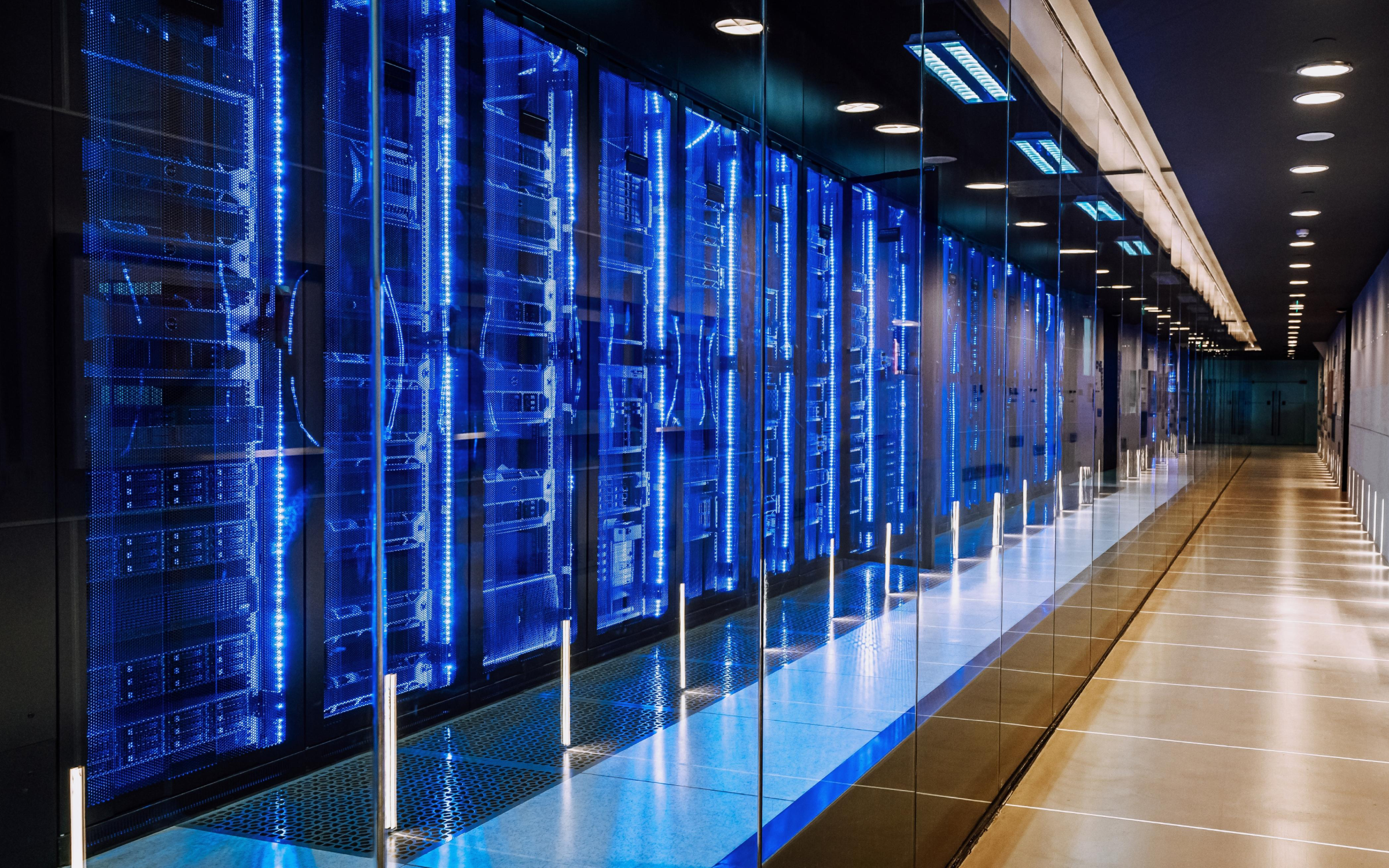
The year 2025 marked a turning point in the global technology landscape. After years of speculation and fragmented experimentation, artificial intelligence finally took center stage in a way that reshaped strategies across every industry. Enterprises moved from AI experimentation to large-scale adoption, a trend outlined by Gartner in their 2026 tech-trend report. According to the report, integrated systems such as “AI Supercomputing Platforms,” combining CPUs, GPUs, AI ASICs, and orchestration layers, have emerged as critical infrastructure to support heavy AI workloads.
But 2025 was not only the year AI matured, it also marked an inflection point for the energy and industrial sectors. Energy leaders emphasized the inevitability of deep structural change: the rise of decommissioning demands in aging offshore fields, the explosion of operational data and the ongoing struggle to manage it, the accelerating push toward cleaner power grids ahead of COP30, the geopolitical race for hyperscale data centers, and the growing pressure for the oil & gas sector to define its role in the global climate transition. These were not abstract concepts, they were urgent pain points shaping investment decisions across the world.
Against that backdrop, the technologies that gained momentum in 2025 were not random innovations; they were direct answers to these pressures.
From GenAI to Agentic Systems: AI is becoming operational
Generative AI (GenAI) rapidly became part of daily workflows. Internal coding tools, customer-service bots, and automated assistants moved from proof-of-concepts to full production across enterprises. Alongside, a new wave of “agentic” AI (autonomous systems capable of planning and acting) began gaining traction. Multiple industry observers noted how AI agents moved beyond suggestions toward actual operations: alert triaging, security workflows, and automated remediation tasks. The push for AI-optimized computers soared accordingly.
Infrastructure Becomes Strategy
As AI demand accelerated, infrastructure became a strategic priority. Companies scrambled for GPUs, high-bandwidth memory, specialized hardware, and scalable architectures. The rush for “silicon,” once a concern limited to hardware manufacturers evolved into a board-level issue even for non-tech industries. Massive investments in Gen-AI data centers began absorbing a disproportionate share of global memory production, tightening supply and driving up costs across the ecosystem.
As a result, organizations started modeling heavier and more complex workloads from deeper analytics to large-scale simulation and predictive maintenance precisely at a moment when conventional infrastructure, constrained by memory availability and architectural limits, could no longer sustain these demands.
Trust, security, and governance mature alongside AI
At the same time, concerns about AI governance, data security, and trust rose sharply. As firms deployed larger, more powerful models, the need for control became obvious. Gartner’s 2026 report emphasizes not only computing power but also AI Security Platforms, Preemptive Cybersecurity, Digital Provenance, and Confidential Computing as essential building blocks to manage risk, privacy, and compliance in an AI-driven world.
The evolution of Spatial Computing
Importantly, 2025 also saw a practical maturation of spatial computing. While the hype around “metaverse” cooled, spatial computing evolved into real tools: augmented and virtual reality headsets, 3D visualization environments, and digital twins started gaining traction, especially in industries like oil and gas, energy, and heavy assets. According to Gartner’s 2025 trend list, “Spatial Computing”, which digitally enhances the physical world with AR/VR and virtual-physical interfaces, entered enterprise roadmaps as a key frontier for human-machine synergy.
2026: A Year Defined by Technological Convergence
These developments laid the groundwork for 2026, a year that promises to be defined by convergence: computational power, AI-native software development, and immersive spatial interfaces all combining into next-generation industrial platforms.
Gartner’s 2026 trend list highlights AI Supercomputing Platforms as a core pillar. Such platforms offer integrated execution environments to run simulation, large-scale machine learning, analytics, and modeling workloads, tasks previously too heavy or slow for traditional infrastructure. For sectors like energy, manufacturing, finance and biotech, that translates into unprecedented ability to simulate complex scenarios, test “what-if” conditions, optimize performance, and shorten innovation cycles.
A shift to Outcome-Based Technology Consumption
Another important shift is the move toward outcome-based consumption of technology. As enterprise AI systems grow more capable and more embedded in operational workflows, companies begin to prefer models where they pay for results. This aligns technology investment with operational value: paying for what the AI actually delivers, simulations run, anomalies detected, hours saved, rather than access to software. Gartner’s framing of emerging infrastructure as “platforms” rather than products supports this transformation by emphasizing orchestration, scalability, and operational integration.
When AI Meets Spatial Computing
Perhaps most transformative is the integration between spatial computing and super-charged AI, turning digital twins and 3D environments into living, intelligent systems. With AI supercomputing enabling high-fidelity simulation and real-time analytics, spatial computing becomes more than visualization: it becomes a decision-making interface.
Engineers, operators, and stakeholders can walk through a virtualized plant, simulate failures, forecast outcomes, and test maintenance strategies, all within immersive environments enriched by data, predictions, and AI-driven insight.
Gaussian Splatting and NeRFs
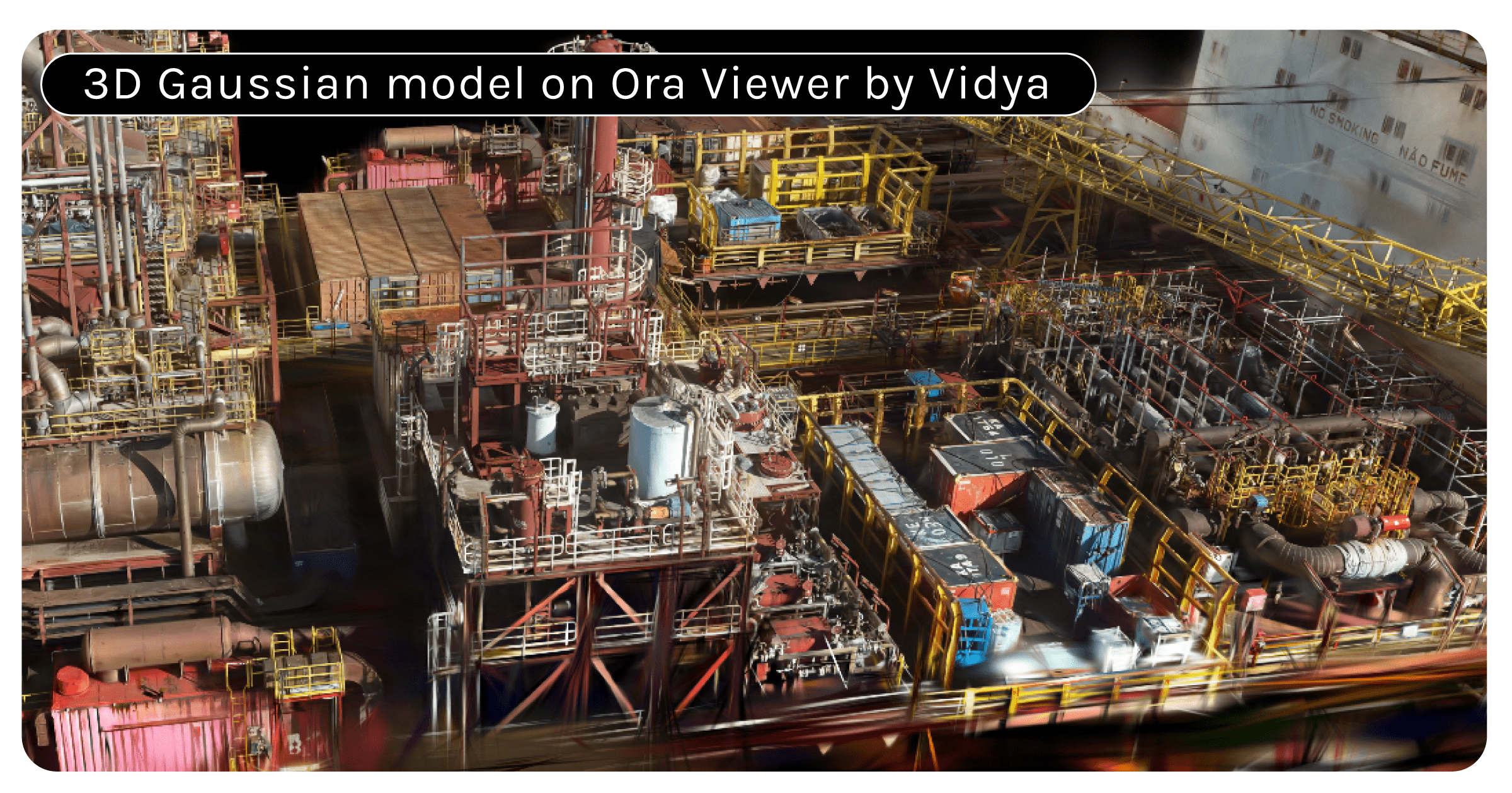
Spatial computing’s evolution in 2025 wasn’t limited to interactive 3D interfaces. A major breakthrough came from the accelerated maturity of next-generation 3D reconstruction technologies, especially Neural Radiance Fields (NeRFs) and Gaussian Splatting. These advancements reshaped how digital twins are created, updated, and experienced in industrial workflows.
NeRFs, once limited to research labs, became viable for enterprise use thanks to optimized pipelines and AI-accelerated hardware. Companies started using NeRFs to reconstruct environments, equipment, and facilities from minimal input: a series of photographs, drone footage, or sensor captures. The result was a highly realistic, volumetric digital model that captured surfaces, lighting, reflections, and spatial depth with unprecedented fidelity.
By mid-2025, however, Gaussian Splatting emerged as the next leap forward. It provided faster rendering, higher visual smoothness, and real-time viewing, drastically expanding the usability of photorealistic 3D environments.
What previously took hours to render could now be navigated instantly, enabling teams to walk through a plant or facility in immersive environments without latency or heavy specialized hardware.
This matters because spatial computing is no longer just a visualization layer. When combined with AI-driven analytics and supercomputing, technologies like NeRFs and Gaussian Splatting turn digital environments into continuous, living replicas of real operations. These environments can be used to test interventions, simulate equipment performance, detect deterioration, and evaluate safety risks in conditions too dangerous or costly to reproduce physically.
Bridging Technology and Strategy: The rising Demands of 2026
Decommissioning: The Next Operational Frontier of the Energy Transition
As the energy transition accelerates, one of the most significant yet under-discussed movements in the industry is decommissioning. Aging offshore platforms, redundant infrastructure, and legacy fossil-fuel assets are increasingly becoming liabilities rather than productive assets. According to recent analysis, the decommissioning of offshore oil and gas infrastructure will require hundreds of billions of dollars globally, and thousands of projects must be taken offline to align with Net-Zero ambitions.
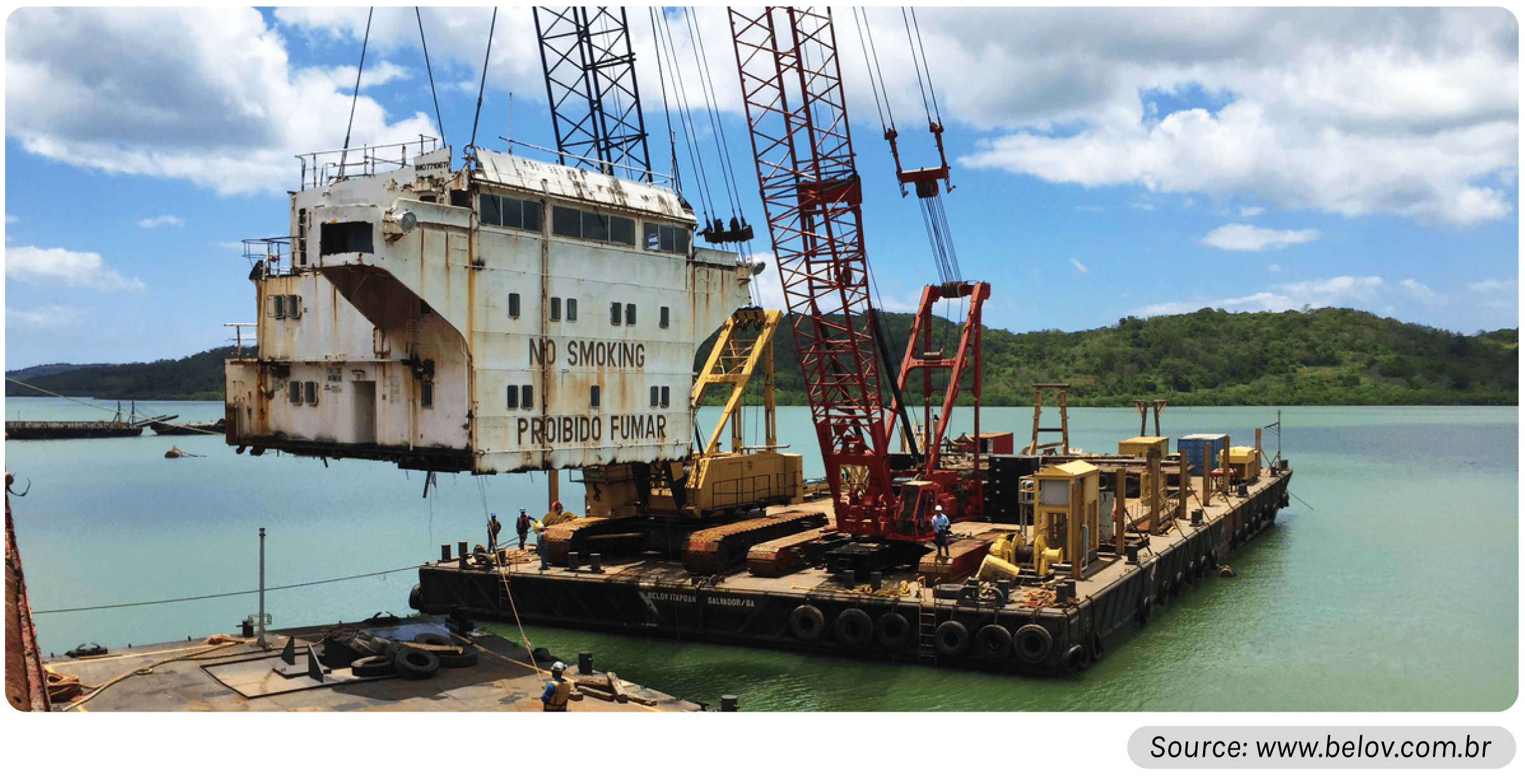
This shift isn’t simply about shutting down old assets; it’s a complex, high-stakes process that demands technical sophistication, environmental care, regulatory compliance, and long-term monitoring. Plugging and abandoning wells, removing or reusing heavy equipment, disposing of hazardous materials, restoring seabeds or land, and managing residual liability require both capital and know-how.
For companies, decommissioning represents both a challenge and an opportunity. In regions where decommissioning is already underway, there is a growing demand for digital tools, data systems, and intelligent asset-management frameworks, precisely the kind of solutions enabled by AI, spatial computing, and advanced digital twins.
The combination of digitalization with decommissioning and decarbonization efforts could shape a competitive, sustainable future for the offshore sector.
In short, decommissioning isn’t just an end; it’s part of the industry’s transformation. Companies that approach it proactively, with data-driven strategies and modern digital frameworks, stand to manage risk better, reduce environmental impact, and unlock value from legacy assets.
Volume and data management
As operations become increasingly digitized, the energy and industrial sectors face a data tsunami. From seismic surveys and sensor logs in upstream operations to environmental monitoring, maintenance records, and emissions data, companies now handle enormous and diverse data volumes across their assets. The challenge: legacy systems were rarely built to ingest, store, correlate, and analyze such heterogeneous and high-velocity data streams.
But within that challenge lies opportunity. Advanced data management, leveraging cloud computing, unified data lakes, and intelligent orchestration, allows firms to transform raw data into actionable insight. For example, some oil & gas operators have consolidated data from hundreds of thousands of wells and thousands of stations into unified platforms, enabling predictive analytics across vast portfolios.
In practice, strong data management supports everything from predictive maintenance to emissions tracking, decommissioning planning, and compliance. It enables companies to track asset health, anticipate failures, simulate scenarios, and make informed decisions with speed and confidence. Combined with AI-supercomputing and spatial computing, robust data infrastructure becomes the backbone of next-generation industrial operations, enabling not only efficiency gains but resilience in an era of volatility and transition.
COP30 and the role of industries in climate change
The summit COP30 in Belém, Brazil, underscored what was already clear: heavy industry must reinvent itself. Through sessions organized by UNIDO (United Nations Industrial Development Organization) and other international bodies, participants reinforced that sectors such as petrochemicals, cement, steel, and oil & gas must accelerate decarbonization and embrace sustainable pathways, not only for environmental reasons, but for long-term competitiveness and regulatory alignment.
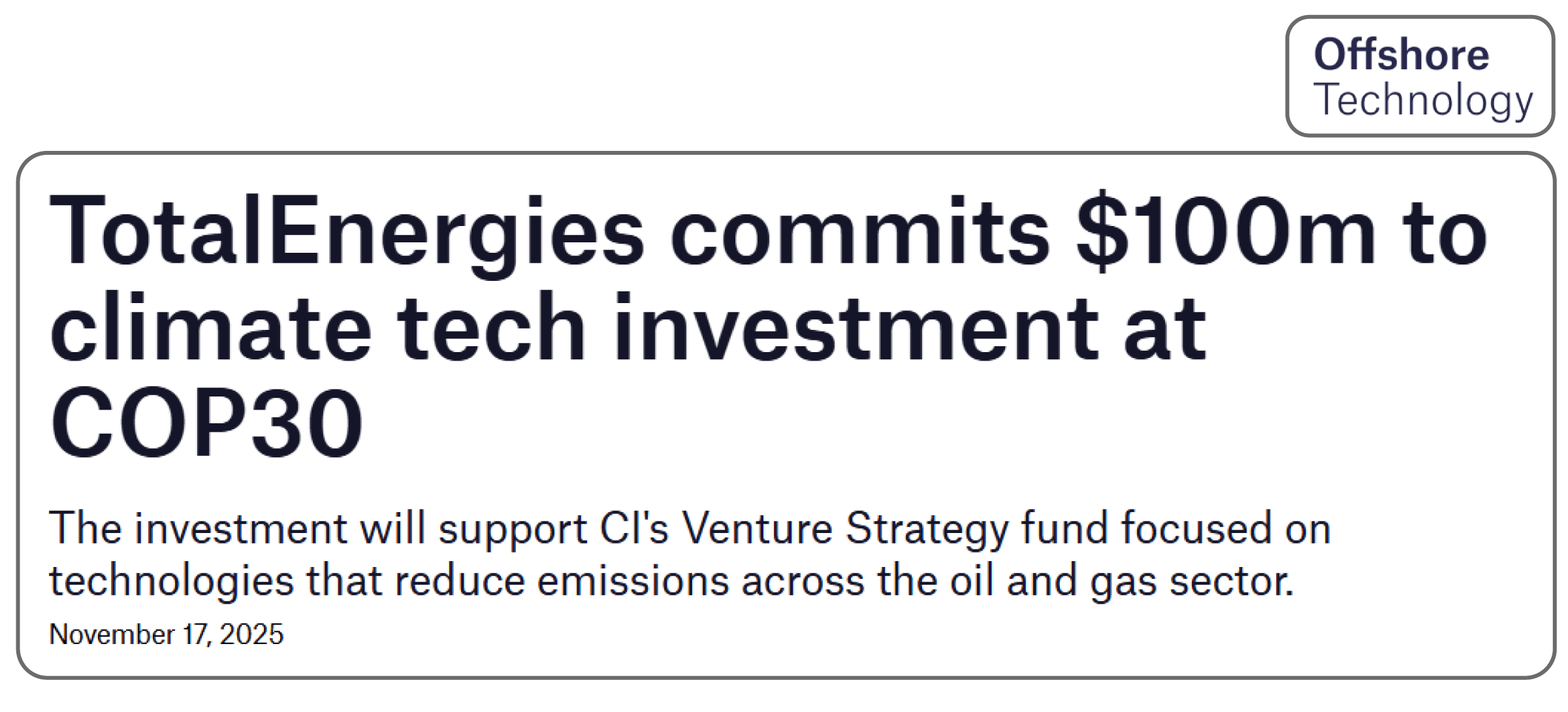
At COP30, major energy players made concrete public commitments. For instance, TotalEnergies announced a US$100 million contribution toward decarbonization technologies, including methane detection, carbon capture, and energy-efficiency solutions, signaling a shift in how the oil and gas sector envisions its future.
The message was clear: it is no longer acceptable for industry to view emissions and environmental externalities as collateral. Instead, industries must integrate sustainability from planning to execution, including operations, decommissioning, data transparency, and energy consumption. At the same time, the industry must balance decarbonization with the growing demand for electricity, data processing (especially for AI and data centers), and emerging technologies. As noted by analysts at the summit, a smooth transition requires combining clean energy deployment, smart grids, electrification, and digitalization.
For companies like Vidya Technology, this context presents both responsibility and opportunity. There is growing demand for digital twins, real-time monitoring, emissions tracking, asset integrity, and lifecycle management: all integrated with sustainability and regulatory goals. The era of “business as usual” is over; what matters now is resilience, accountability, and future readiness.
The New Industrial Era Begins
The forces that shaped 2025, the rise of AI supercomputing, the maturation of spatial computing, the urgency of decommissioning, the explosion of operational data, and the climate commitments reaffirmed at COP30 have set the stage for one of the most transformative eras in modern industry. What emerged across these domains is a clear pattern of industries that are no longer just adopting technologies; they are restructuring their very foundations to survive and remain competitive in a world defined by digital complexity, operational risk, and environmental responsibility.
In 2026, the factory, the offshore platform, the mining site, and the energy grid cease to be static infrastructures. They become dynamic, learning ecosystems, where AI continuously interprets data, spatial computing provides real-world context, and digital twins evolve into high-fidelity operational environments. Decommissioning workflows, once manual and fragmented, can now be simulated, planned, and executed with digital precision. Massive data volumes that once overwhelmed legacy systems are transformed into predictive intelligence through unified data architectures. Climate pressures, reinforced at COP30, push companies to embed transparency, emissions monitoring, and lifecycle accountability into every stage of the asset journey.
AI supercomputing platforms supply unprecedented analytical depth for these transformations. Agentic AI automates operational tasks and orchestrates decisions across distributed environments. NeRFs and Gaussian Splatting bring industrial reality into photorealistic, computationally driven clarity. Outcome-based consumption models ensure that technology investment is tied to measurable impact, safer decommissioning, fewer emissions, lower failure rates, faster decisions, not just licenses or promises.
In this new landscape, competitive advantage comes from convergence. From the ability to merge physics-based simulation with real-time data, to integrating sustainability frameworks with asset integrity, to aligning operational execution with global climate objectives, architecture itself, computational, informational, and operational, becomes the differentiator.
The industries that recognize this shift will not merely digitize. They will reimagine how they observe, understand, and transform the physical world.
And in that reinvention, 2026 will not be remembered as another year in technology’s evolution but as the beginning of a new industrial era.
About the Author: Andre Andrade

![Image of a woman using Vidya System Platforms [VSP] on a tablet.](https://vidyatec.com/wp-content/uploads/2025/11/1-capa-blog-CS@2x-1024x640.png)