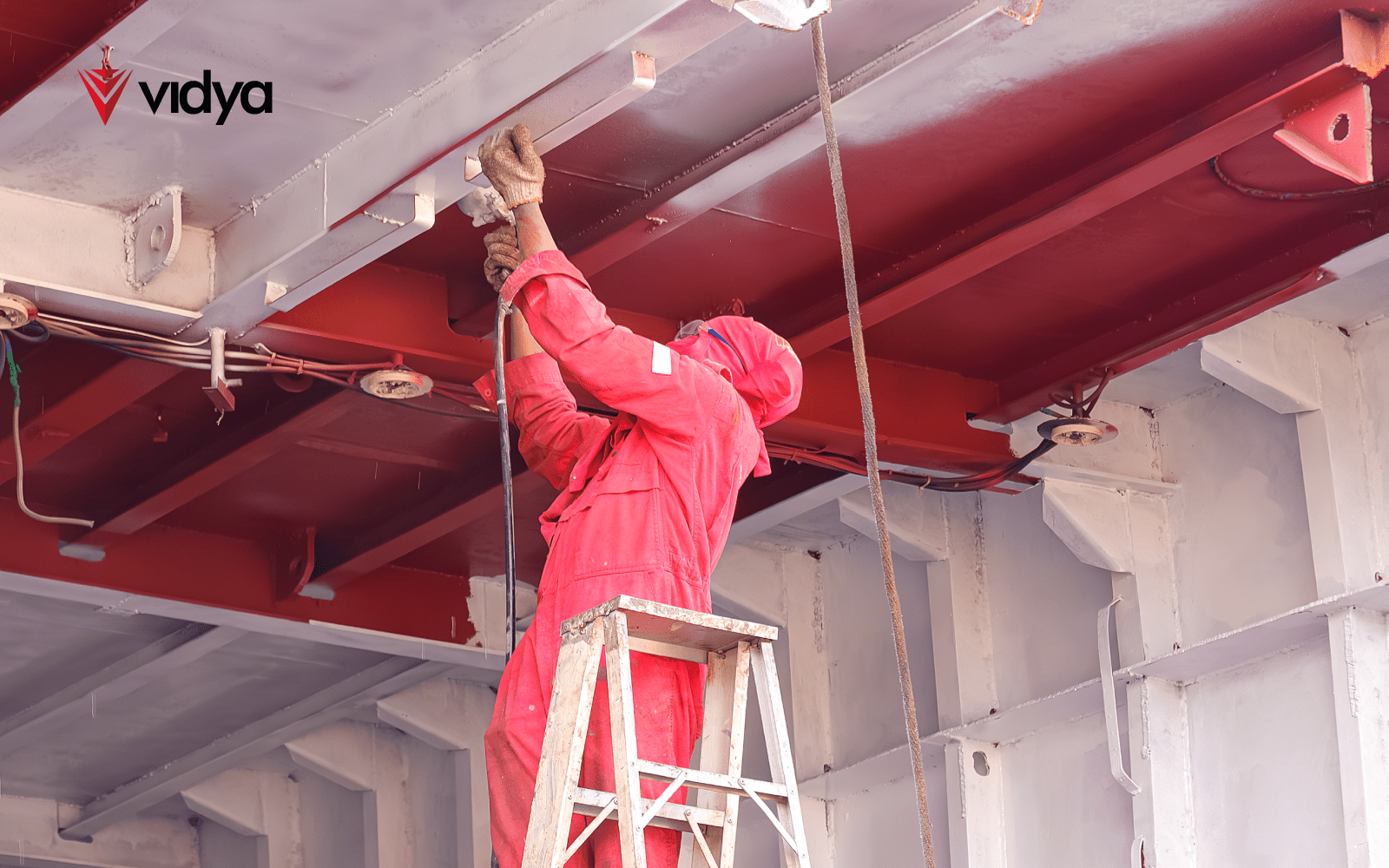
The Silent Erosion of Industrial Integrity
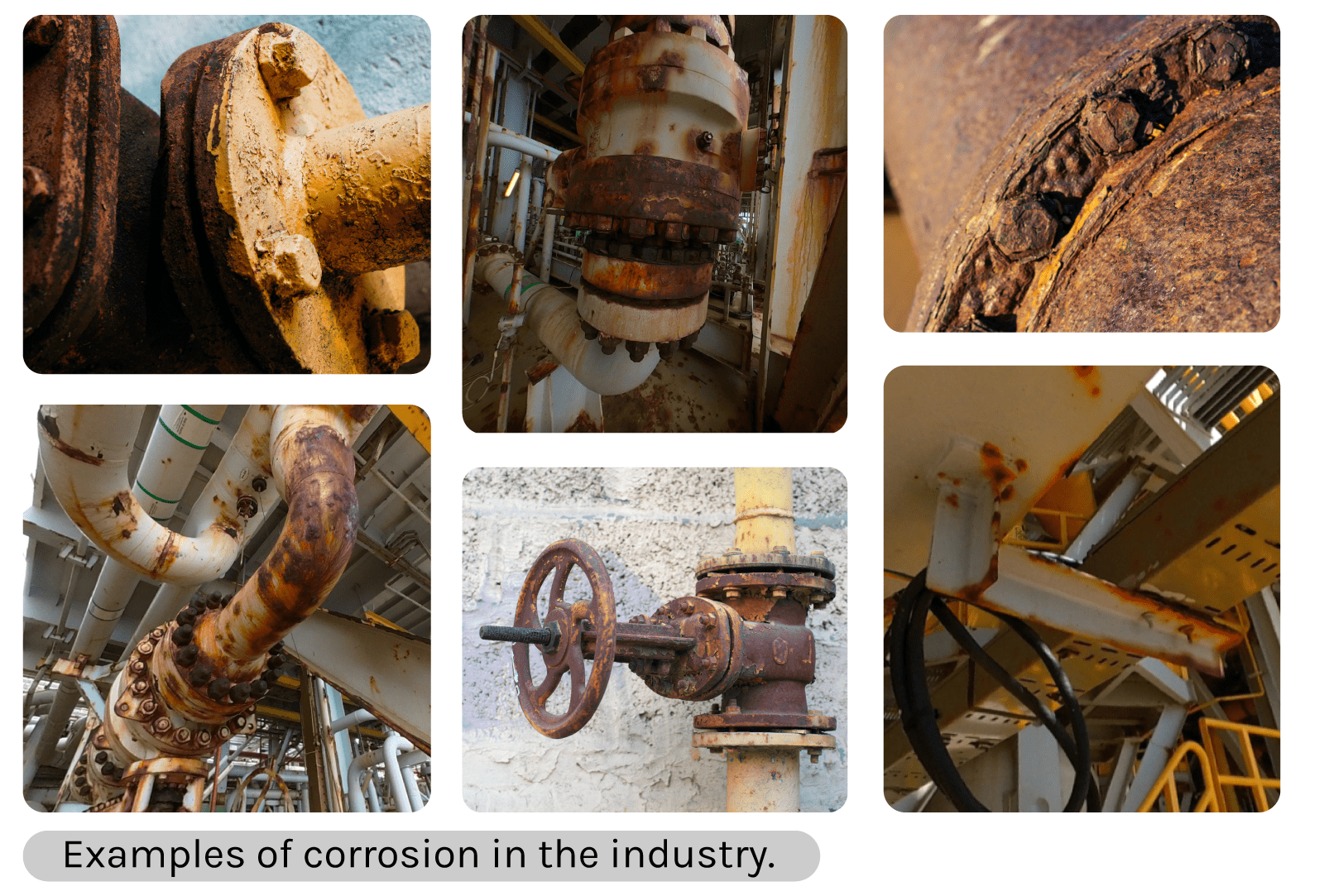
The integrity of industrial assets, ranging from offshore platforms and refineries to sprawling manufacturing plants, is perpetually under siege. While mechanical failures often grab headlines, the most persistent threat is the slow, silent degradation of the asset’s “fabric.”
Protective coatings are not merely aesthetic; they are the primary barrier against the relentless chemical and electrochemical reactions that lead to corrosion. In aggressive environments, such as those classified under ISO 12944 as C5-M (Marine), a single breach in a coating system can lead to structural compromise within months. Despite its criticality, coating maintenance has historically been treated as a “low-tech” necessity, managed through guesswork and reactive repairs rather than precision engineering.
From Pitch to Polymers: The Evolution of Coating Maintenance
The fight against corrosion is as old as metallurgy and seafaring itself. Long before the term “asset integrity” existed, early engineers and mariners understood the critical necessity of protecting their structures from the elements. The earliest forms of coating maintenance were entirely reliant on naturally occurring, locally sourced substances. Ancient shipbuilders utilized heated pitch, pine tar, beeswax, and natural drying oils, such as linseed oil, to waterproof wooden hulls and seal joints against marine borers. Maintenance during this era was inherently reactive and labor-intensive; crews would simply reapply thick layers of tar over degrading areas whenever leaks or rot became evident.
The advent of the Industrial Revolution fundamentally changed the stakes of asset maintenance. As the world transitioned from wood and stone to iron and steel for ships, bridges, and early industrial facilities, rapid oxidation became an existential threat to infrastructure. This era ushered in the dominance of lead-based paints, specifically red lead (lead tetroxide) primers mixed with linseed oil. For over a century, red lead was the global gold standard for rust prevention due to its excellent anti-corrosive properties.
However, the maintenance methodologies remained rudimentary. Surface preparation was painstaking work, relying on laborers using hand-chipping hammers, scrapers, and wire brushes to physically knock away flaking rust. The application was completely manual, executed with large bristle brushes by workers who were entirely unaware of the severe neurological health hazards posed by the lead they handled daily.
The true modernization of coating technology was catalyzed by the materials science boom during and immediately following World War II. The rapidly expanding petrochemical industry birthed synthetic resins, forever changing the formulation of industrial paints. Engineers introduced heavy-duty epoxies, polyurethanes, and zinc-rich primers, which offered vastly superior chemical resistance, adhesion, and moisture barriers compared to traditional oil-based paints.
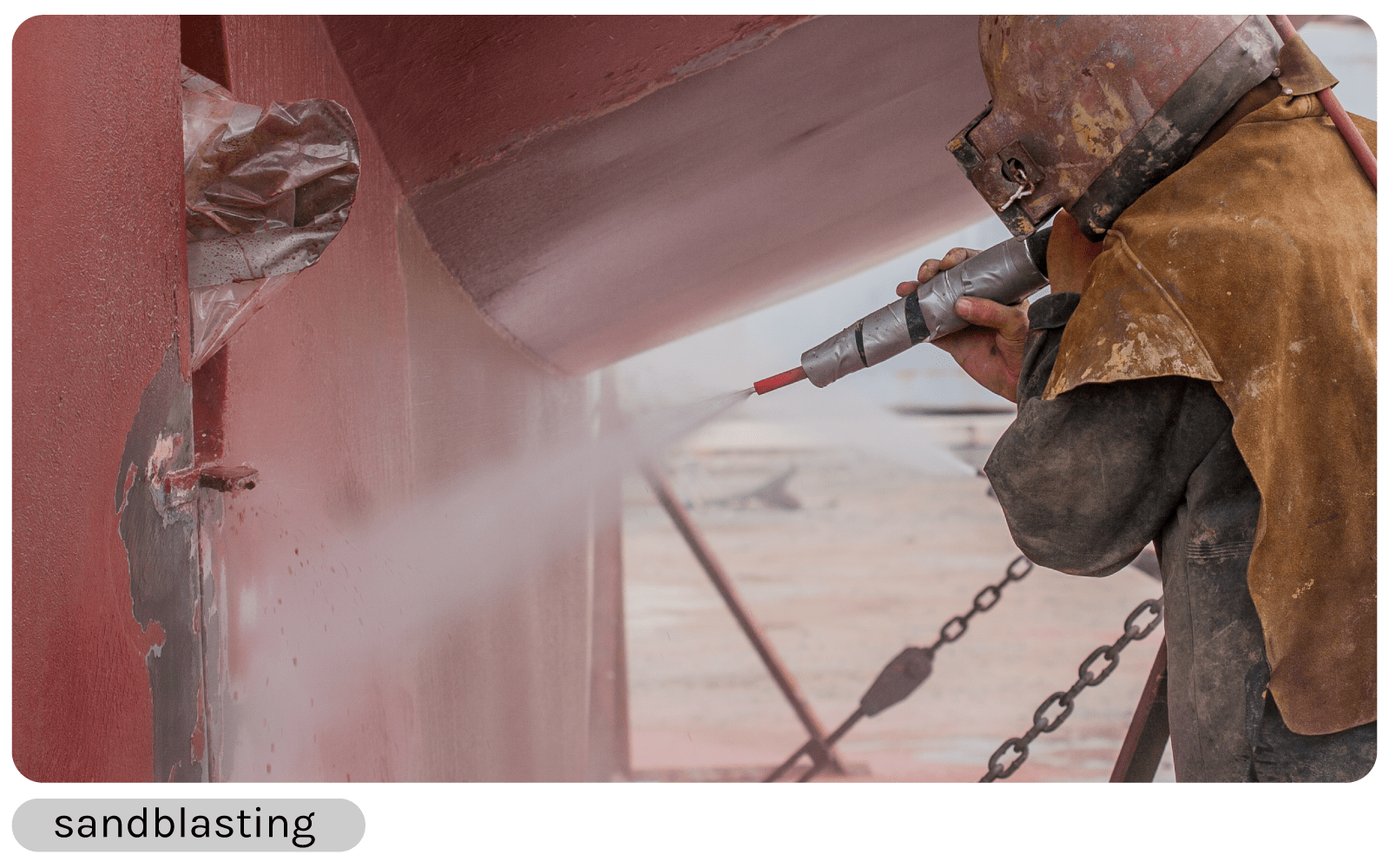
Simultaneously, the industry realized that the longevity of these new advanced coatings was entirely dictated by the quality of the surface preparation. Abrasive blast cleaning, commonly known as sandblasting, became the industrial standard, allowing crews to completely strip away old paint and mill scale to create a microscopic “anchor profile” for the new polymers to grip. Application methods also leaped forward; the invention of airless spray equipment allowed for the rapid, uniform application of thick coating films over massive surface areas, drastically reducing application time.
As the 20th century drew to a close, environmental and occupational health regulations became the primary drivers of coating evolution. The toxic legacy of lead and asbestos was strictly phased out, and environmental protection agencies placed rigid limits on Volatile Organic Compounds (VOCs), the solvents that evaporate as paint dries, contributing to air pollution. This regulatory pressure forced manufacturers to innovate once again, leading to the highly sophisticated, high-solids, solvent-free, and water-borne coatings used on modern offshore platforms and refineries today.
Yet, a glaring paradox emerged in the early 21st century. While the polymer chemistry and mechanical application tools had evolved into highly advanced sciences, the management of coating maintenance remained stubbornly archaic.
Technicians were spraying space-age, highly engineered epoxies onto steel, but their supervisors were still tracking the degradation of those coatings using clipboards, paper reports, and isolated spreadsheets. The physical materials had evolved, but the strategic management of the asset’s lifecycle had flatlined.
This massive disconnect between advanced chemistry and poor data tracking created the exact blind spots, budgetary inefficiencies, and reactive “firefighting” cultures that modern solutions were ultimately built to solve.
The Trap of Reactive Management
To understand why modern industrial maintenance requires a digital revolution, one must first dissect the dominant operational mindset of the late 20th and early 21st centuries: the “firefighting” culture.
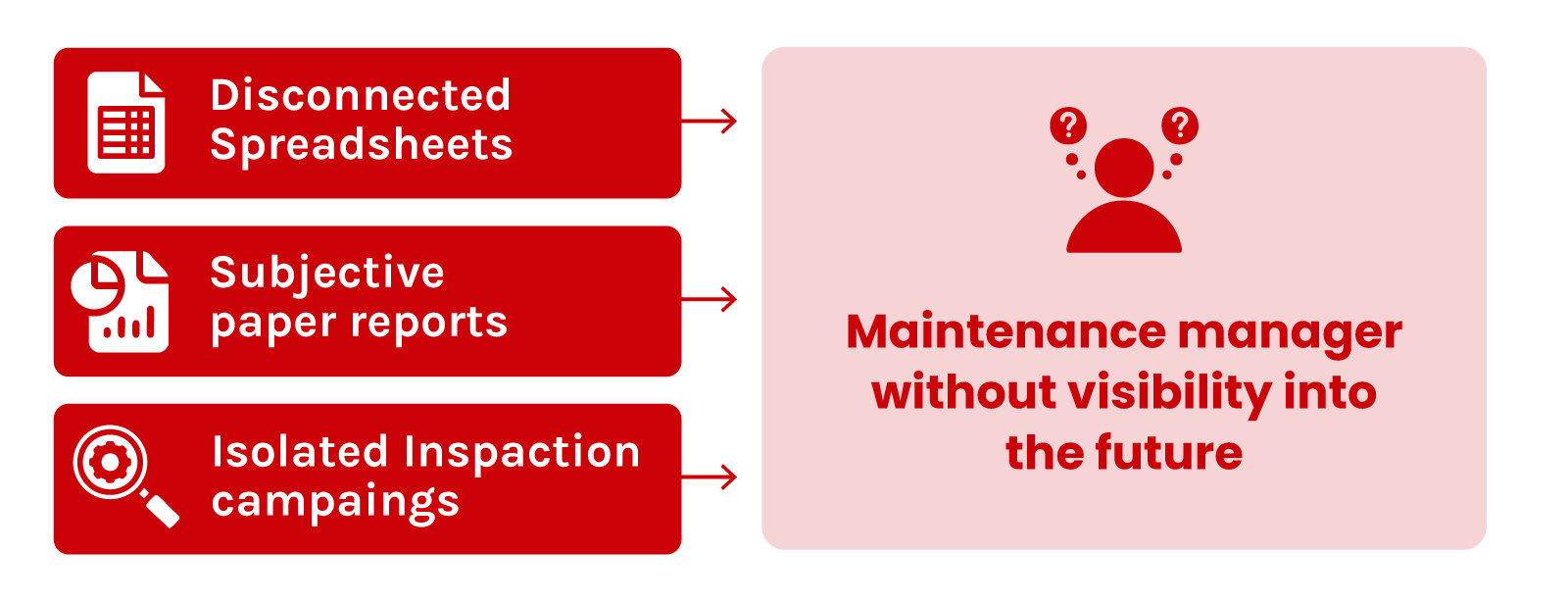
In industrial asset management, firefighting is the practice of constantly reacting to urgent, critical degradation rather than executing a planned, preventative strategy. When coating maintenance is managed through disconnected spreadsheets, subjective paper reports, and isolated inspection campaigns, facility managers are left completely blind to the future. They cannot see the slow progression of corrosion; they only see it when an inspector flags it as a severe, immediate threat to structural integrity or safety. At this point, maintenance ceases to be routine and becomes an emergency.
This reactive loop creates a chaotic operational rhythm. Instead of optimizing the lifecycle of the asset, maintenance teams find themselves perpetually scrambling to apply “Band-Aids” to the worst-affected areas. A typical scenario involves rushing specialized rope-access teams and blasting equipment to a high-risk zone, such as an offshore riser or a highly pressurized chemical vessel, only to perform localized spot repairs. Because these emergency repairs are planned hastily to avert immediate disaster, they are often executed in suboptimal environmental conditions or with expedited surface preparation, meaning the new coating is likely to fail prematurely. The asset managers are trapped in a vicious cycle: they spend their entire budget fixing critical failures, leaving zero capital to fund the preventative painting campaigns that would have stopped the degradation in the first place.
The financial and operational toll of this firefighting culture is staggering. Emergency maintenance is exponentially more expensive than planned campaigns. It requires mobilizing personnel on short notice, which artificially inflates the “People on Board” (PoB) limits on offshore platforms, creating logistical nightmares for housing and safety.
Furthermore, predictability in Operating Expenses (OPEX) goes out the window. Financial controllers are forced to approve massive, unexpected budgets for structural steel replacement and emergency recoating, simply because the asset’s degradation was allowed to cross the point of no return. The “patch and pray” methodology means that millions of dollars are spent annually without actually improving the overall baseline health of the facility.
Perhaps the most insidious aspect of the firefighting culture is psychological. In many traditional organizations, the “heroes” are the teams who work overtime to fix a catastrophic failure just in time to prevent a shutdown. The system inadvertently rewards reactivity rather than rewarding the quiet, invisible work of preventative planning. Because there is no unified digital system to track the slow degradation of the asset over time, the long-term strategic planners lack the hard data required to justify preventative budgets to upper management.
They are forced to operate in a paradigm where maintenance is treated as an unpredictable expense rather than a controlled, data-driven investment. Breaking this cultural reliance on emergency response is the exact operational hurdle that makes the transition to a predictive, Digital Twin environment an absolute necessity.
The Structural Bottlenecks of Fabric Maintenance
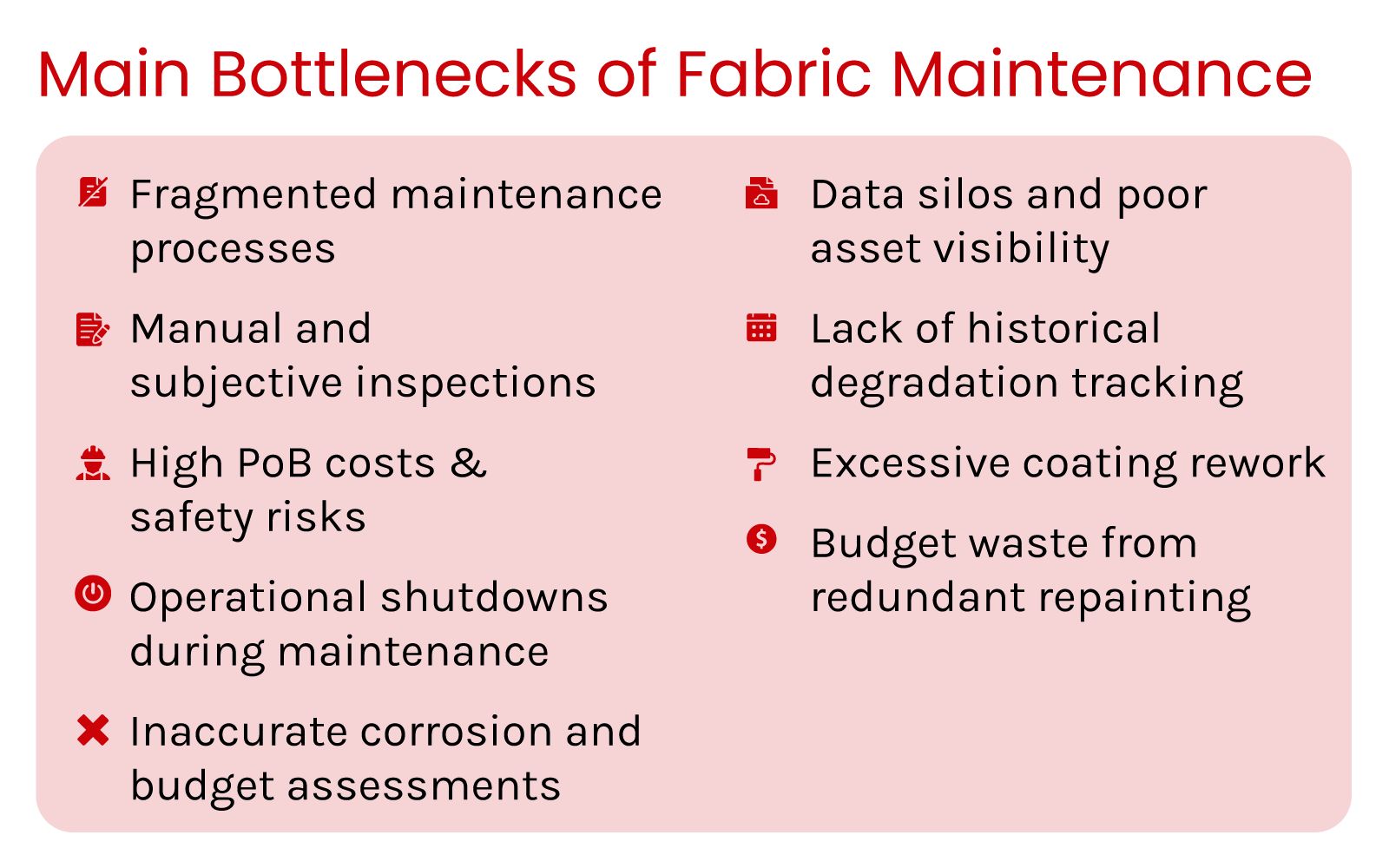
Traditional coating management is defined by a series of fragmented processes that struggle to scale. The first major bottleneck occurs during the Inspection Phase. Currently, most inspections rely on human visual assessment, often requiring the deployment of inspectors into hazardous areas via scaffolding or rope access. This not only spikes the “People on Board” (PoB) costs and safety risks but also results in subjective data. Beyond the high PoB, the subsequent coating maintenance activities themselves cause significant operational friction; while small repairs might be benign, surface preparation like hydroblasting typically requires line isolation and partial operational shutdowns. Two inspectors might grade the same patch of rust differently, leading to inconsistent prioritization. This lack of precision makes it notoriously difficult to diagnose the exact square footage affected by corrosion and to estimate accurate painting budgets.
Furthermore, once data is collected, it often languishes in static PDF reports or massive spreadsheets. This Data Silo effect makes it impossible to perform longitudinal analysis; maintenance managers can barely see the state of the asset today, having to spend too much time analyzing data in lakes in order to have a proper asset diagnosis. Consequently, managers struggle to balance routine actions with regulatory demands like TIRs, SPIEs, and NR-13 compliance, or to effectively contingency temporary repairs and structural replacements when the fabric can no longer be sustained by painting alone. They also lack the tools to see how it has evolved over the last five years, leading to a “firefighting” culture where repairs are only made once the damage is severe. Compounding this firefighting culture is a massive rework problem. Because there is a lack of spatial intelligence on these complex assets, an estimated 20% of coating applications are practically rework. Since the maintenance chain heavily relies on third-party contractors who are incentivized to measure and bill their work orders, they rarely refuse to repaint these redundant areas, silently draining the budget.
The Engineering Shift: From Reactive Patchwork to Predictive Intelligence
Escaping the reactive trap requires more than just better chemical coatings or more frequent inspections; it demands a fundamental restructuring of how asset health data is gathered, contextualized, and utilized.
The systemic flaws of reactive maintenance, such as data silos, subjective human grading, and isolated historical records, cannot be solved with legacy tools. This is the operational void that the methodology of Digital Fabric Maintenance (DFM) was developed to fill. The application consists of a multi-tiered architecture that digitizes the physical reality of the industrial environment, employing a framework that maps, analyzes, and mitigates degradation.
The foundation of this shift relies on establishing absolute spatial and historical context through a Digital Twin. Instead of tracking corrosion on isolated spreadsheets and reports, the process begins by ingesting a facility’s entire architectural data legacy, such as P&IDs, existing 3D CAD models, point clouds, and historical maintenance logs. This data is synthesized to build a highly accurate, interactive 3D replica of the physical asset. In this environment, every valve, pipe, and vessel possesses a unique digital identity. This structural context is crucial; it means an anomaly is no longer just a “rusty patch on deck three,” but a specific coordinate tied to a known coating specification, environmental exposure level, and operational criticality.
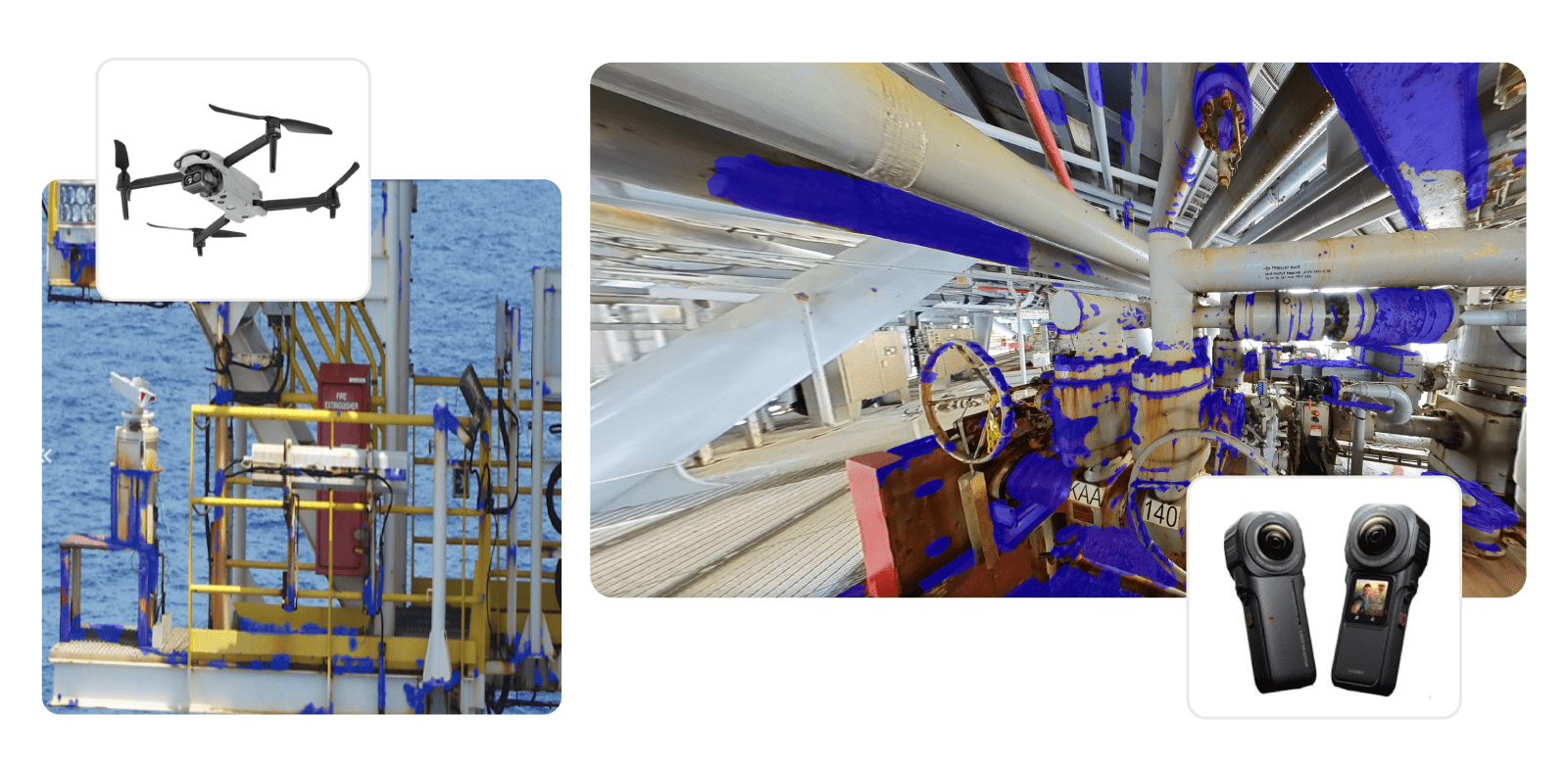
With the digital architecture in place, the methodology addresses the bottleneck of human inspection. Rather than deploying scaffolding and exposing personnel to high-risk environments simply to look for damage, the DFM process employs Reality Capture. Utilizing drones or 360-degree cameras to gather high-resolution visual data in a safe and efficient manner, drastically reducing People on Board (PoB) requirements. However, the critical leap forward isn’t just reproducing field conditions through photography; it is the application of computer vision to detect anomalies. The raw imagery is fed into AI algorithms trained specifically on industrial degradation standards. This AI acts as an objective, tireless inspector, scanning millions of pixels to identify and classify anomalies, from superficial rust to severe pitting.
The true utility of contextualizing AI-detected anomalies within a Digital Twin lies in contextualized analysis. Because the AI automatically maps the exact coordinates and severity of the corrosion onto the 3D model, the system can compare current scans with historical data. This unlocks the ability to classify specific corrosion anomalies, establish a criticality ranking, and calculate precise degradation rates and corrosion trends over time. For the first time, maintenance engineers can move beyond asking “What is broken right now?” to answering “How fast is this specific area degrading, and in what month will it breach its safety threshold?”
This predictive capability reduces the firefighting culture, particularly by illuminating critical blind spots that traditional visual methods miss, a crucial aspect considering that undetected, aggravated corrosion in blind spots has historically led to catastrophic events, such as the fire on the P-48 platform. To achieve robust inspection for the DFM to act, operators must unify the two main pillars. First, inspection efficiency must integrate AI, spatial intelligence, and the strict control of integrity and regulatory variables (including RTIs, NR-13 compliance, blind spot monitoring, and temporary repairs). Second, this must be allied with deep maintenance intelligence, encompassing corrosion forecasting, dynamic risk matrices, accurate painting area prediction, passive corrosion cost analysis, and highly effective PoB control. By foreseeing failure long before it occurs, facility managers can optimize their intervention strategies, shifting from emergency, localized patch-jobs to planned, holistic recoating campaigns.
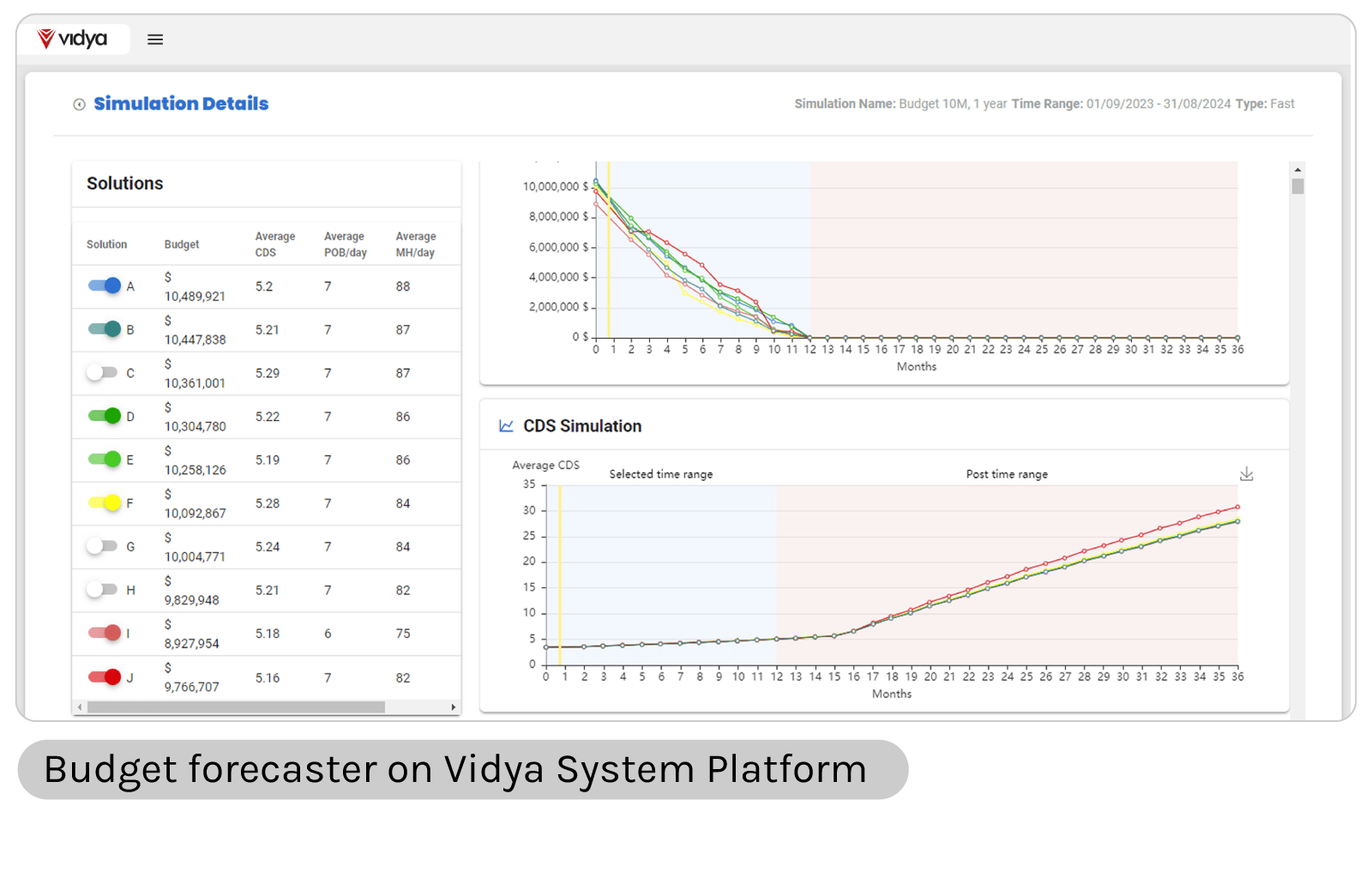
This predictability directly informs financial and operational strategy. When degradation rates are known, the DFM system can run localized algorithms to forecast material quantity, labor hours, and optimal maintenance windows, outputting highly accurate budgetary estimates. Finally, the system closes the operational loop by translating these insights into actionable field execution. Rather than handing a technician a vague paper report, the system issues dynamic visual workpacks. Field workers access precise 3D locations, standard operating procedures, and specific material requirements on a mobile device. Once the mitigation is performed, the worker logs the repair digitally, instantly updating the Digital Twin. This continuous cycle, from reality capture to predictive analysis to guided mitigation ensures that the asset’s structural integrity is managed as a transparent, scientifically controlled process rather than a perpetual emergency.
The journey of industrial coating maintenance has been one of stark contrasts. While polymer chemistry and application technologies have achieved space-age sophistication over the last century, the administrative frameworks governing them remained stubbornly anchored in the past. For too long, the industry has accepted the high financial costs, elevated safety risks, and sheer operational unpredictability of the “firefighting” culture as simply the price of doing business in aggressive environments. However, as operational margins tighten, skilled labor becomes scarcer, and environmental regulations grow more stringent, relying on reactive guesswork is no longer a sustainable business model.
Conclusion
Vidya’s integrity solution represents the necessary convergence of advanced materials science and modern data engineering. By unifying the physical reality of an asset within a dynamic Digital Twin and leveraging AI-driven computer vision, DFM eliminates the blind spots that have historically plagued integrity management. It bridges the massive disconnect between the high-tech coatings applied to the steel and the low-tech methods used to track them, transforming isolated, subjective inspections into a continuous, objective stream of predictive intelligence. While emerging robotic technologies are beginning to automate physical painting activities, this hardware still has a long way to go. More importantly, execution is secondary to the much harder bottleneck of prioritization; deploying expensive robotics is ultimately useless if operators do not know exactly what, where, and when to paint.
Ultimately, the shift from reactive patchwork to predictive maintenance is not just about adopting new software; it is a fundamental evolution in industrial strategy. It empowers facility managers and financial controllers to take back control of their OPEX budgets, drastically reduce People on Board (PoB) requirements, and confidently extend the operational lifespan of their critical infrastructure. The era of waiting for protective coatings to fail is over. By digitizing the fabric of these complex facilities, the industry is finally equipped to foresee degradation, optimize mitigation, and ensure that the structural integrity of our most critical assets remains unbroken for decades to come.
About the Author: Jorge Kawano