Stop DROPS Before They Happen2026-04-22T19:03:15+00:00

Stop DROPS
Before They Happen

Identify, Prioritize, and Eliminate Dropped Object Risks with Condition-Aware Intelligence

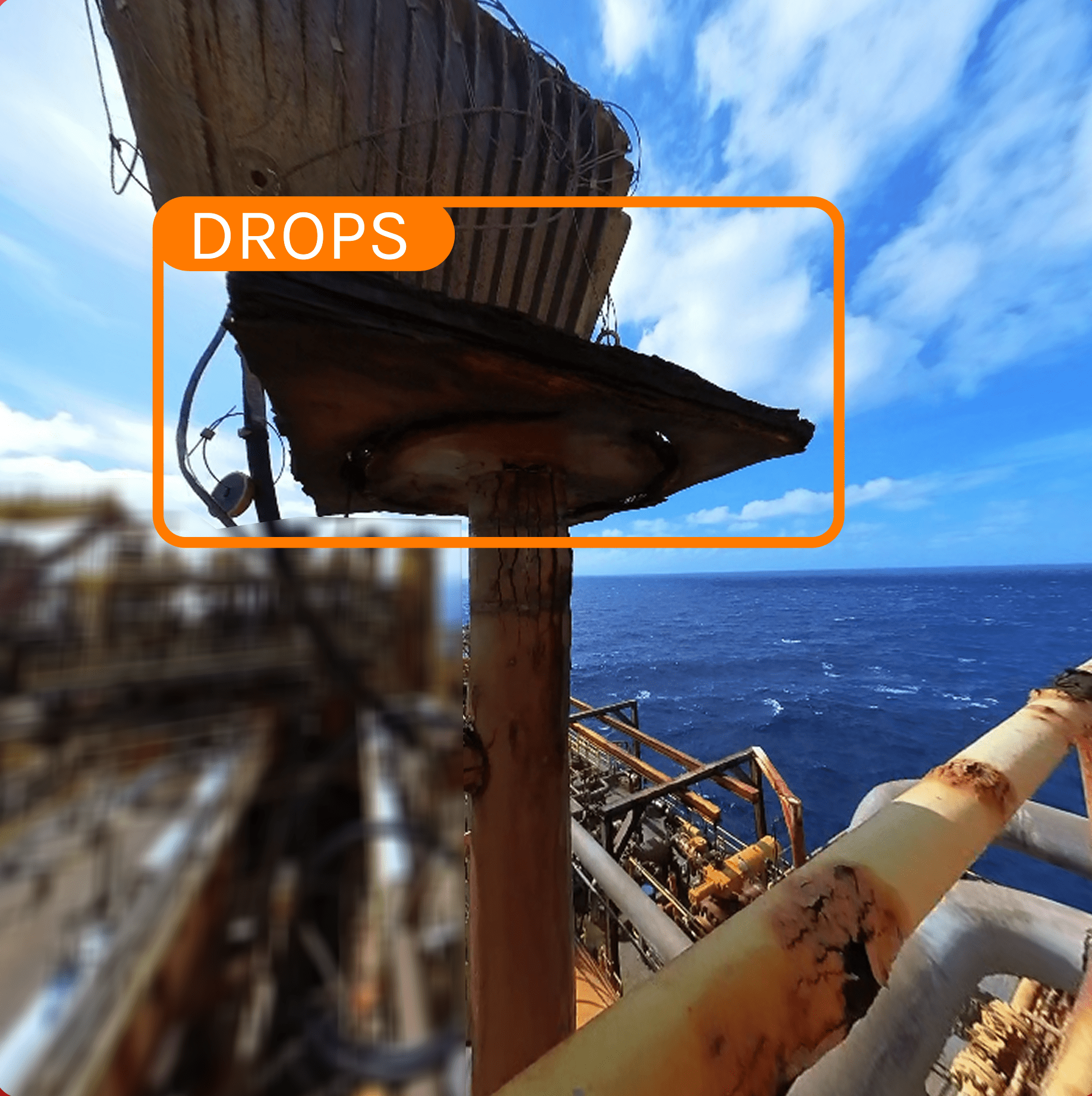
Dropped objects are a persistent threat to offshore safety. Traditional inspections often miss the warning signs of degradation or loosening components until it’s too late.

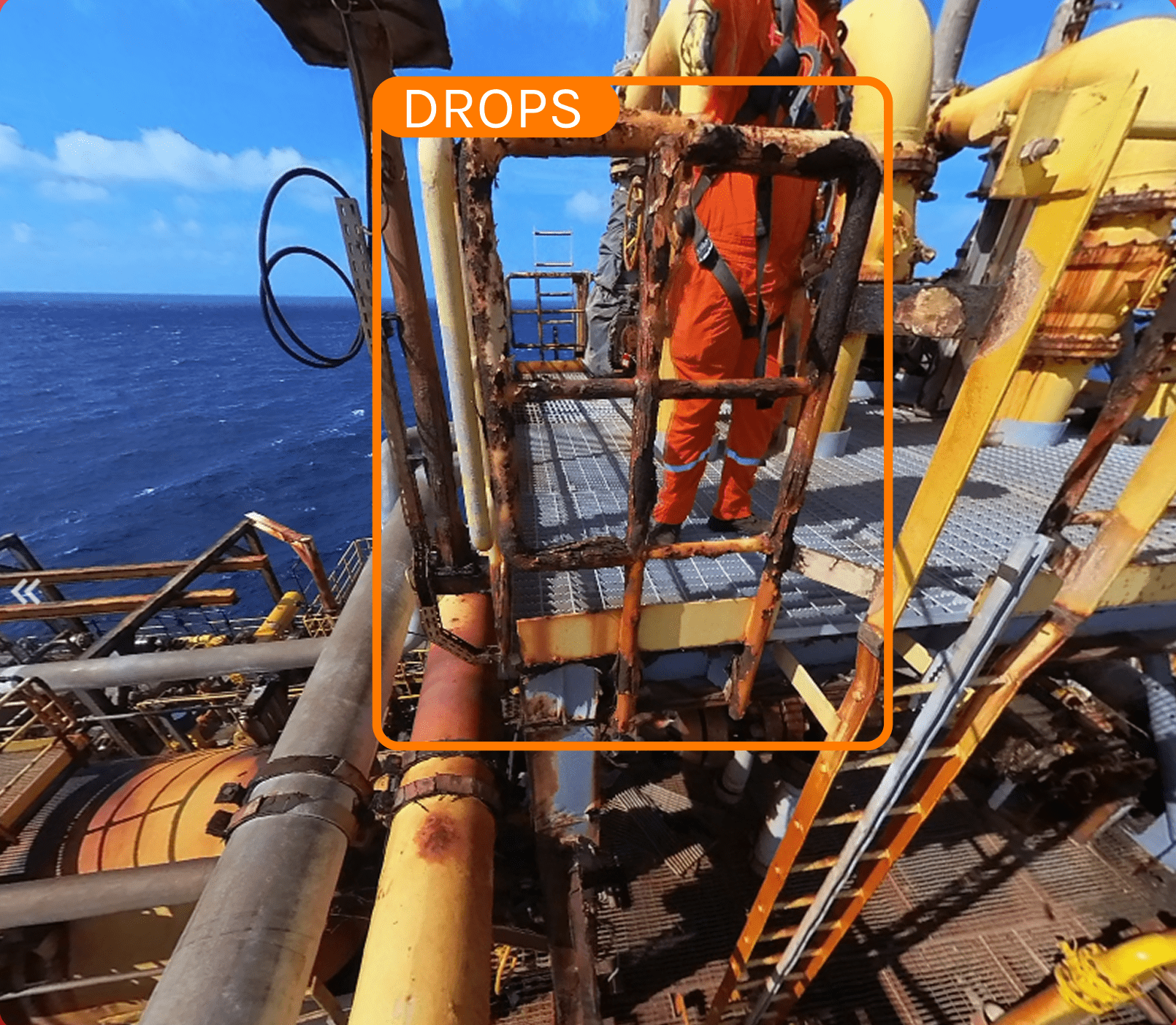
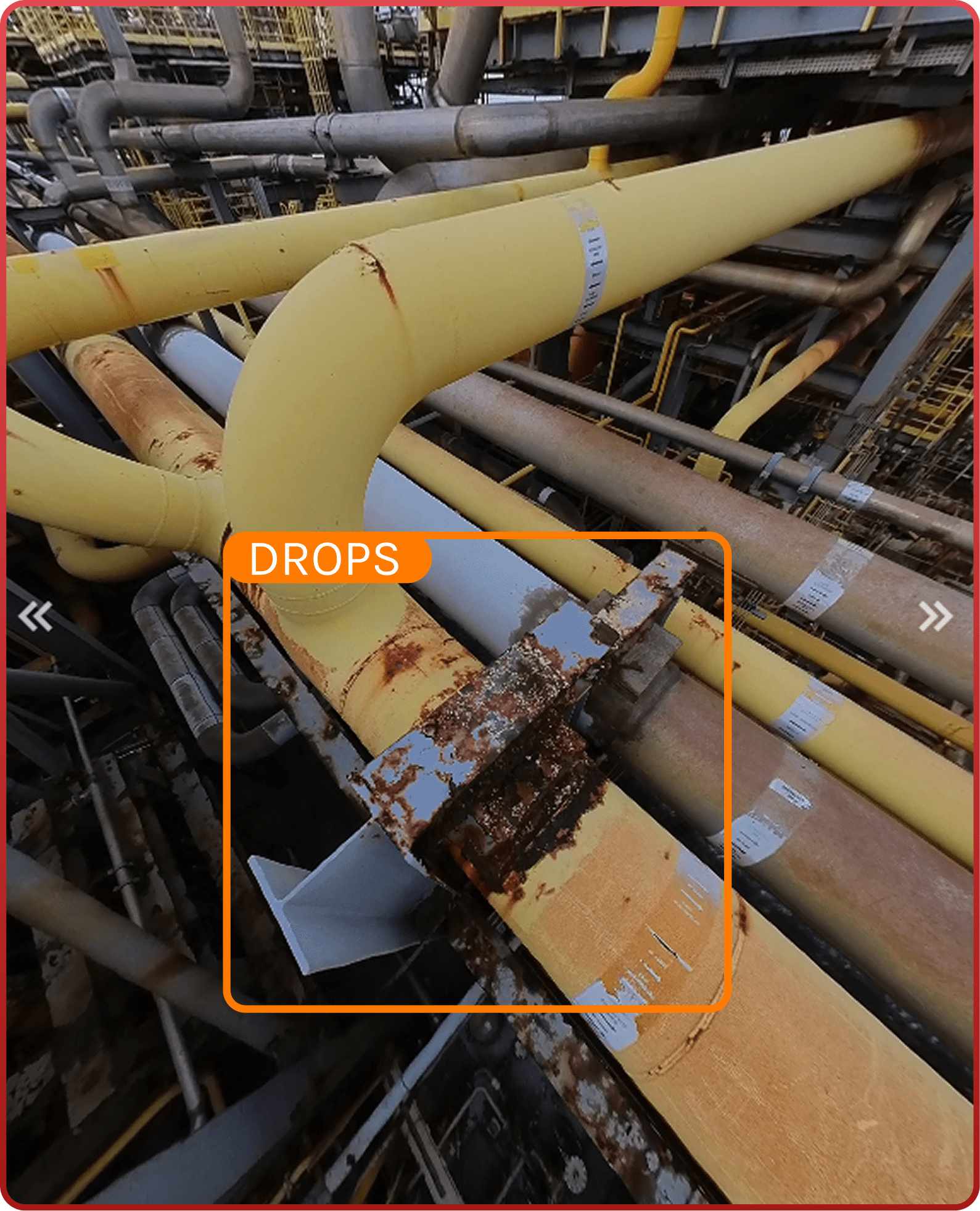
Vidya’s DROPS Application transforms hazard management by merging AI-driven inspection, corrosion intelligence, and a Spatial Digital Twin.
Stop DROPS
Before They Happen

Identify, Prioritize, and Eliminate Dropped Object Risks with Condition-Aware Intelligence

Dropped objects are a persistent threat to offshore safety. Traditional inspections often miss the warning signs of degradation or loosening components until it’s too late.

Vidya’s DROPS Application transforms hazard management by merging AI-driven inspection, corrosion intelligence, and a Spatial Digital Twin.
See what clients who are managing DROPS with ease have to say:

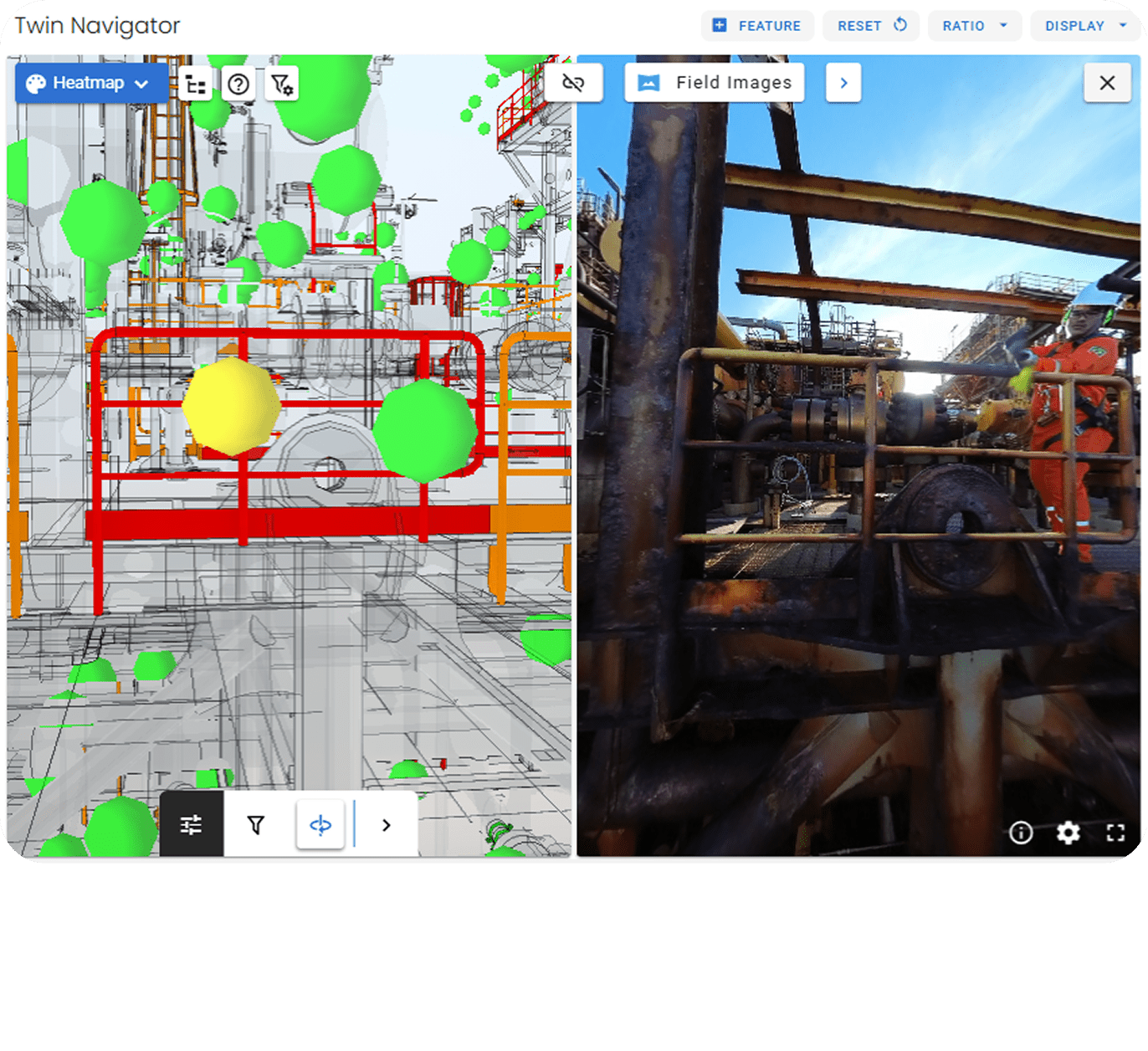
This heatmap view is excellent for the team responsible for planning DROPS mitigation campaigns. It makes the prioritization much clearer.

Structural Engineer

With the prioritization generated from the corrosion findings identified by Vidya, we can guide inspectors to address the most critical risks first.

Integrity Engineer

Reducing DROPS incidents across the unit is one of our main objectives today, and we’re constantly improving our processes to mitigate risks faster.

Structural Engineer

Built for Oil, Gas and Energy, Chemicals, Marine, Mining Metal Minerals, Manufacturing, Power & Utilities, and Infrastructure. Where safety, reliability, and performance are non-negotiable.

See what clients who are managing DROPS with ease have to say:

This heatmap view is excellent for the team responsible for planning DROPS mitigation campaigns. It makes the prioritization much clearer.

Structural Engineer

With the prioritization generated from the corrosion findings identified by Vidya, we can guide inspectors to address the most critical risks first.

Integrity Engineer

Reducing DROPS incidents across the unit is one of our main objectives today, and we’re constantly improving our processes to mitigate risks faster.

Structural Engineer

Built for Oil, Gas and Energy, Chemicals, Marine, Mining Metal Minerals, Manufacturing, Power & Utilities, and Infrastructure. Where safety, reliability, and performance are non-negotiable.

Challenges you may be facing

  • Data Fragmentation: Critical DROPS integrity data is frequently trapped in static PDF reports and disparate spreadsheets, preventing a centralized, real-time view of asset health.
  • Subjective Risk Priorization: Without accurate calculations for mass, height, and energy potential, mitigation efforts are often misallocated to low-consequence anomalies rather than high-energy threats.

  • Regulatory & Audit Exposure: Maintaining compliance with ANP and API RP 4G standards is labor-intensive; a lack of digital traceability can lead to significant fines or operational shutdowns during audits

  • Workflow Inefficiency: Inaccurate spatial data leads to excessive “travel time” for field teams, increasing OPEX and offshore man-hour exposure without a corresponding increase in safety

  • Lack of Temporal Traceability: The inability to track the rate of component degradation over time makes it impossible to identify accelerating risks before they reach a point of failure

  • Reactive Maintenance Cycles: A “find-and-fix” approach fails to account for predictive corrosion trends, resulting in emergency repairs and unplanned operational downtime

  • The cost of Non-Compliance: Dropped objects aren’t just a safety hazard; they are a critical compliance failure. Operating with fragmented, manual DROPS tracking is no longer just “risky”. It is a violation of evolving industry mandates that carries heavy legal and financial weight.

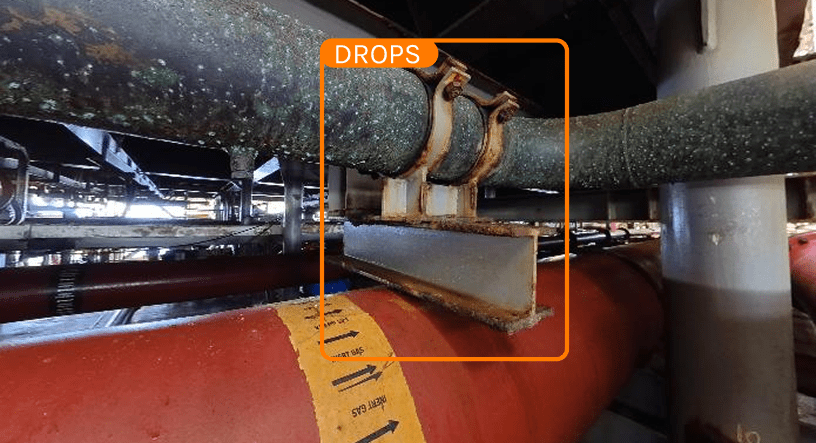
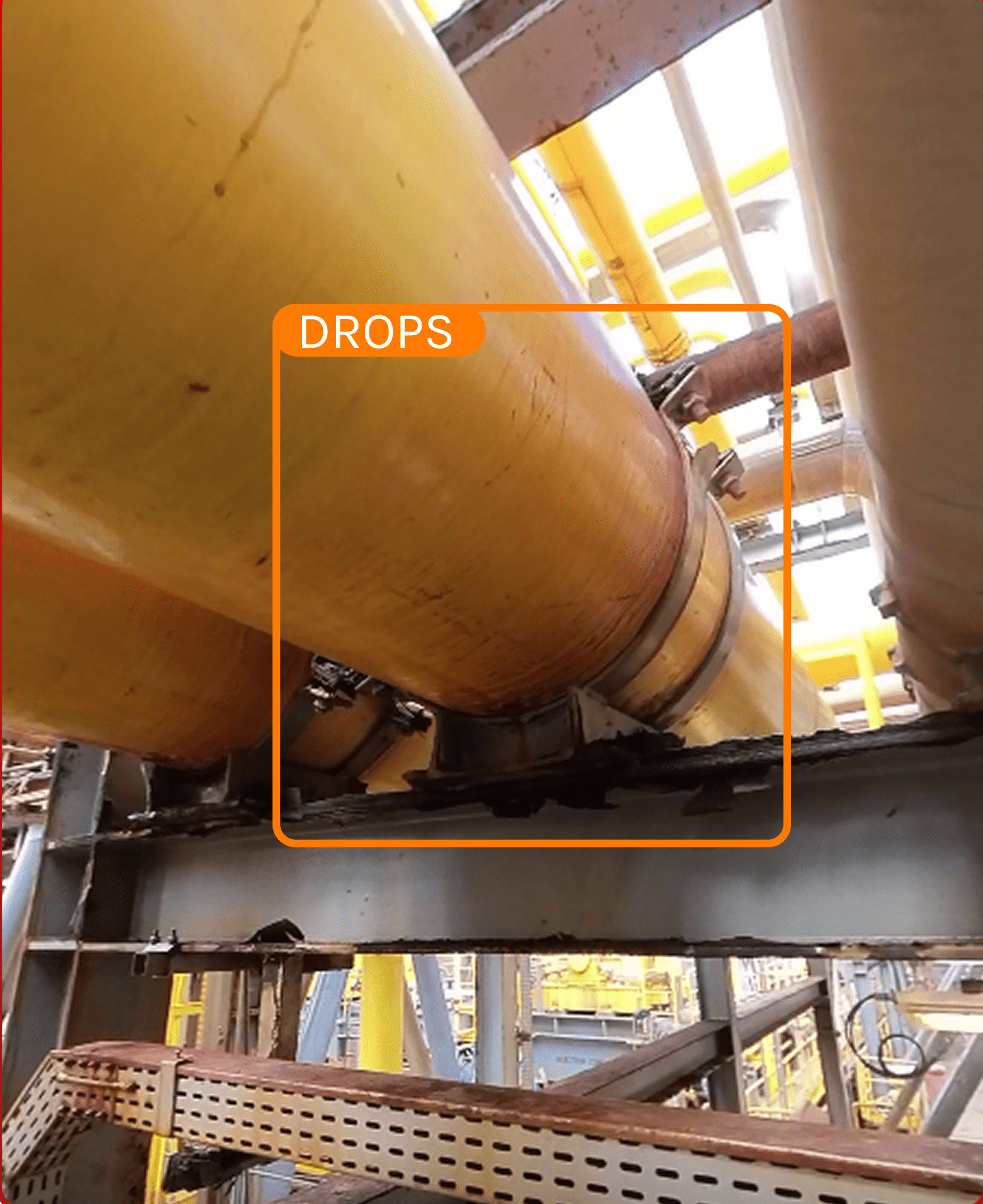
  • Why Traditional DROPS Programs Fall Short: Most DROPS incidents aren’t caused by a lack of rules, they’re caused by unseen degradation. In offshore environments, corrosion silently compromises brackets, handrails, and supports. Vidya’s approach shifts the focus from “checking boxes” to monitoring material health, ensuring that weakened connections are identified before they fail

Digital Twin-Based Risk Assessment

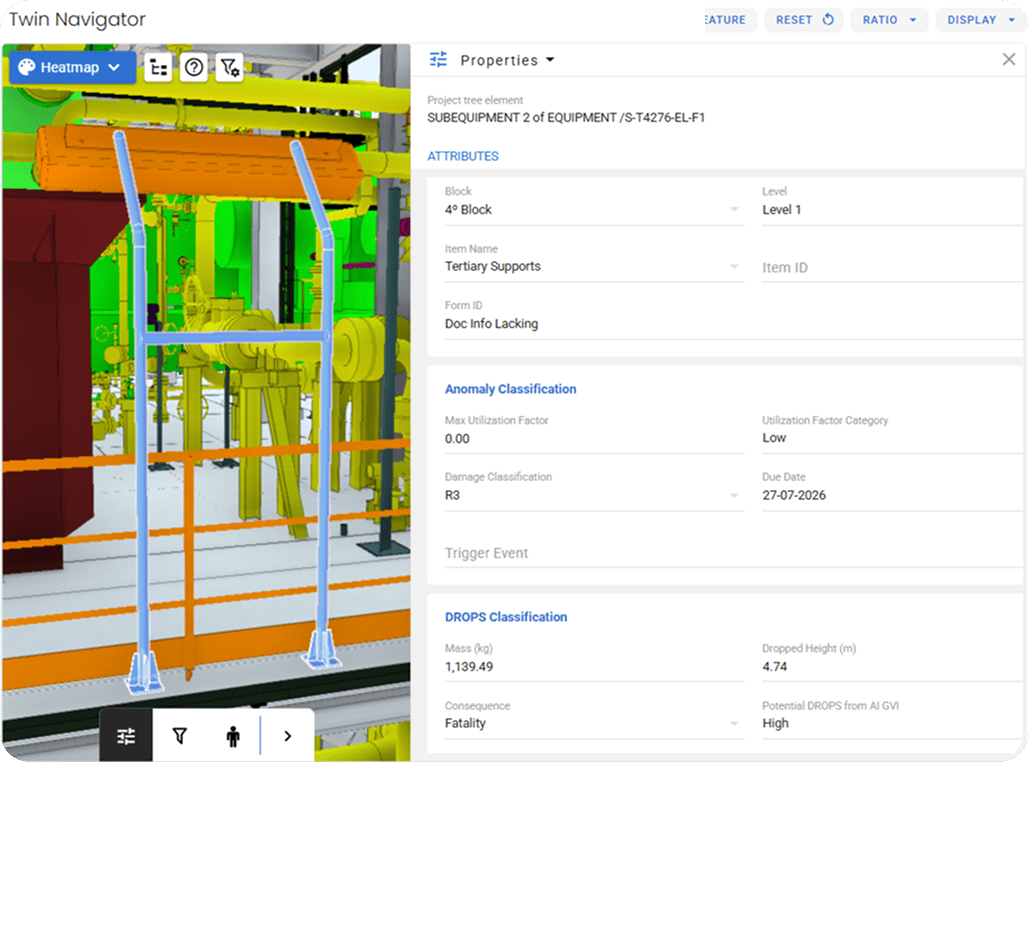
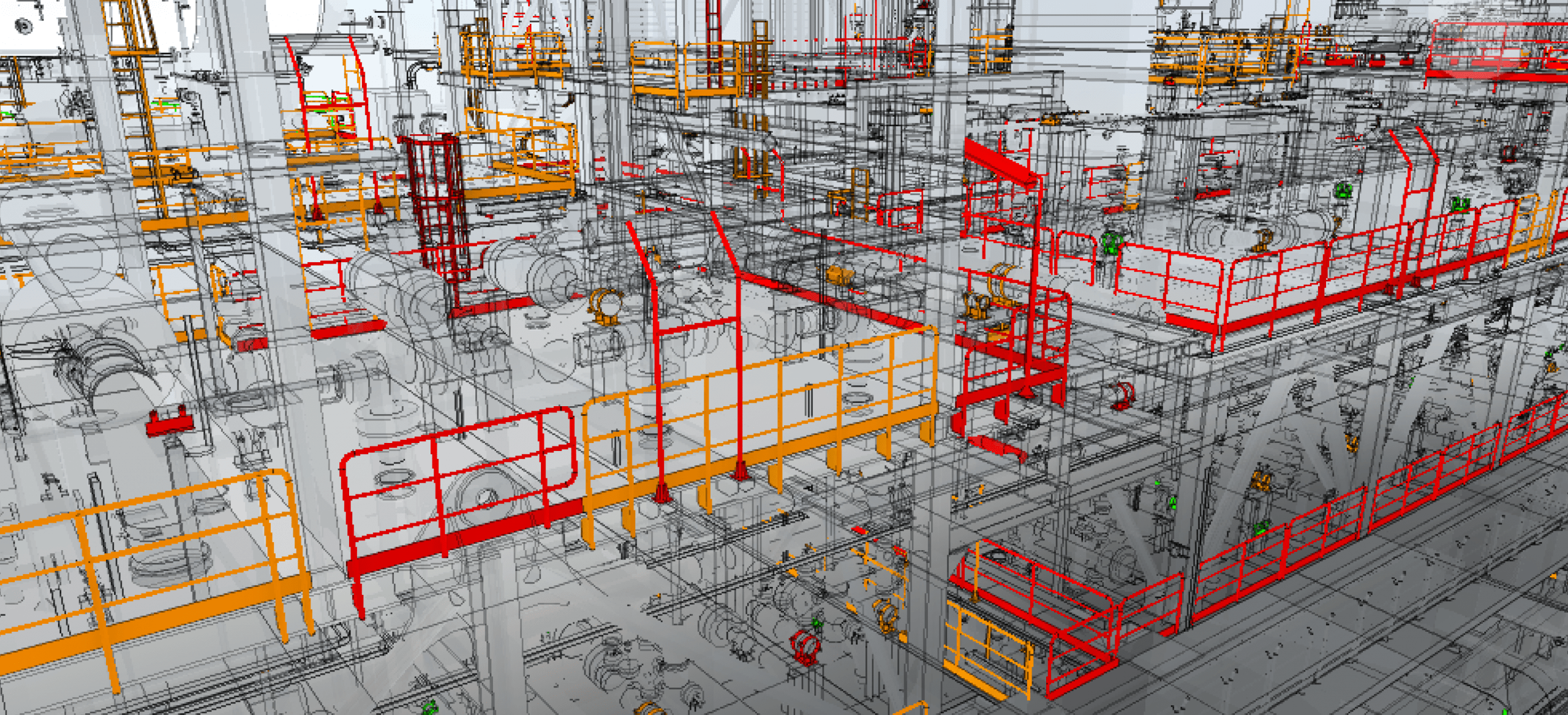
At the core of the application is a high-fidelity digital twin of the asset. Engineering documentation, CAD models, inspection imagery, and equipment metadata are integrated into a spatial representation that links every component to its physical location, structural attributes, and inspection history.
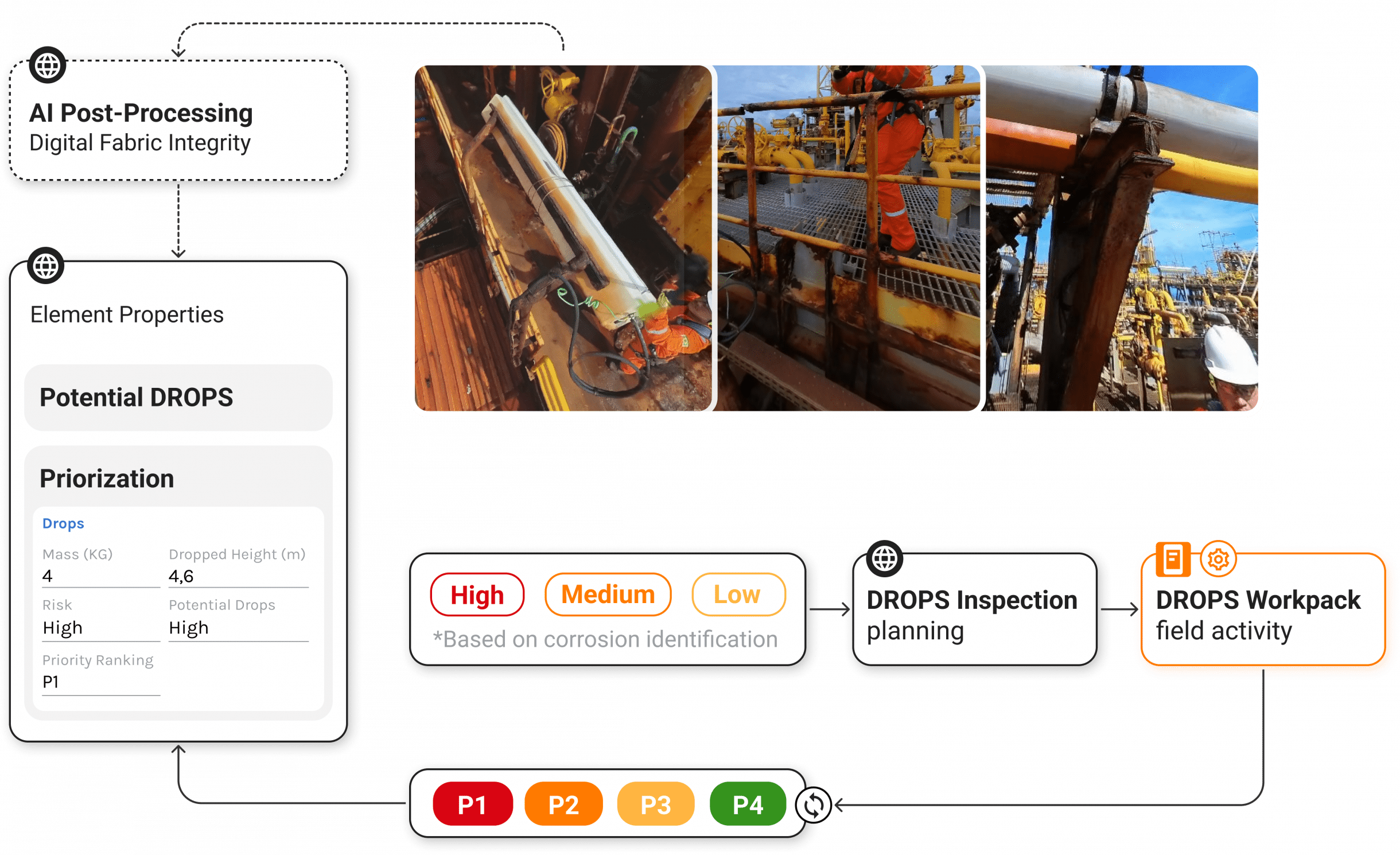
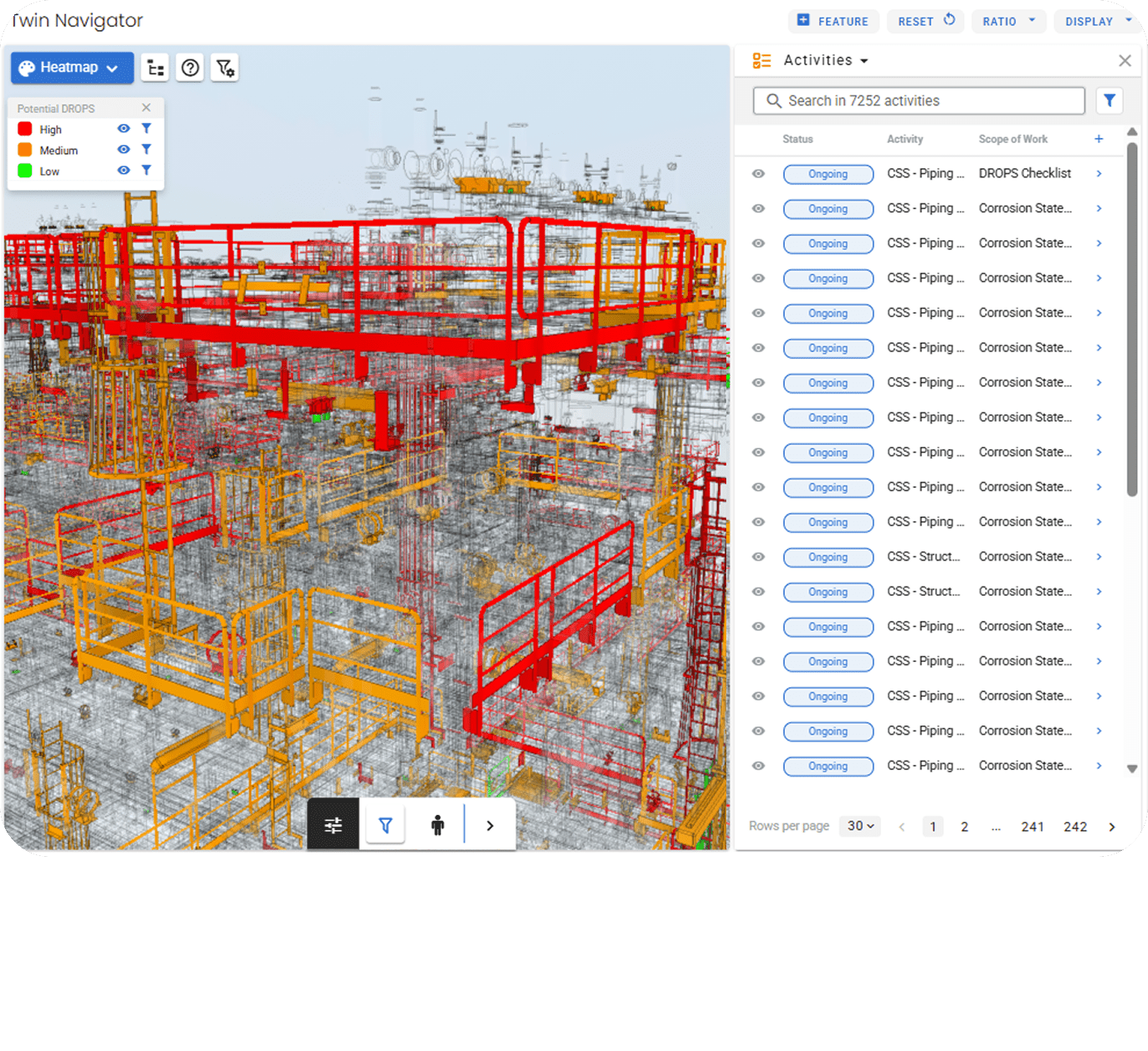
DROPS application workflow within VSP

This Digital environment allows engineers to:

  • Visualize potential dropped object surces in a 3D context

  • Connect inspection findings to specific components

  • Evaluate degradation trends across the facility

  • Assess risk exposure with spatial awareness

By transforming static engineering models into a dynamic integrity intelligence platform, the system enables continuous risk monitoring across complex offshore installations.

Digital Twin-Based Risk Assessment

At the core of the application is a high-fidelity digital twin of the asset. Engineering documentation, CAD models, inspection imagery, and equipment metadata are integrated into a spatial representation that links every component to its physical location, structural attributes, and inspection history.

This Digital environment allows engineers to:

  • Visualize potential dropped object surces in a 3D context

  • Connect inspection findings to specific components

  • Evaluate degradation trends across the facility

  • Assess risk exposure with spatial awareness

By transforming static engineering models into a dynamic integrity intelligence platform, the system enables continuous risk monitoring across complex offshore installations.

AI-Assisted Identification of DROPS Elements

Inspection campaigns generate vast volumes of imagery and field observations that are often difficult to process efficiently.

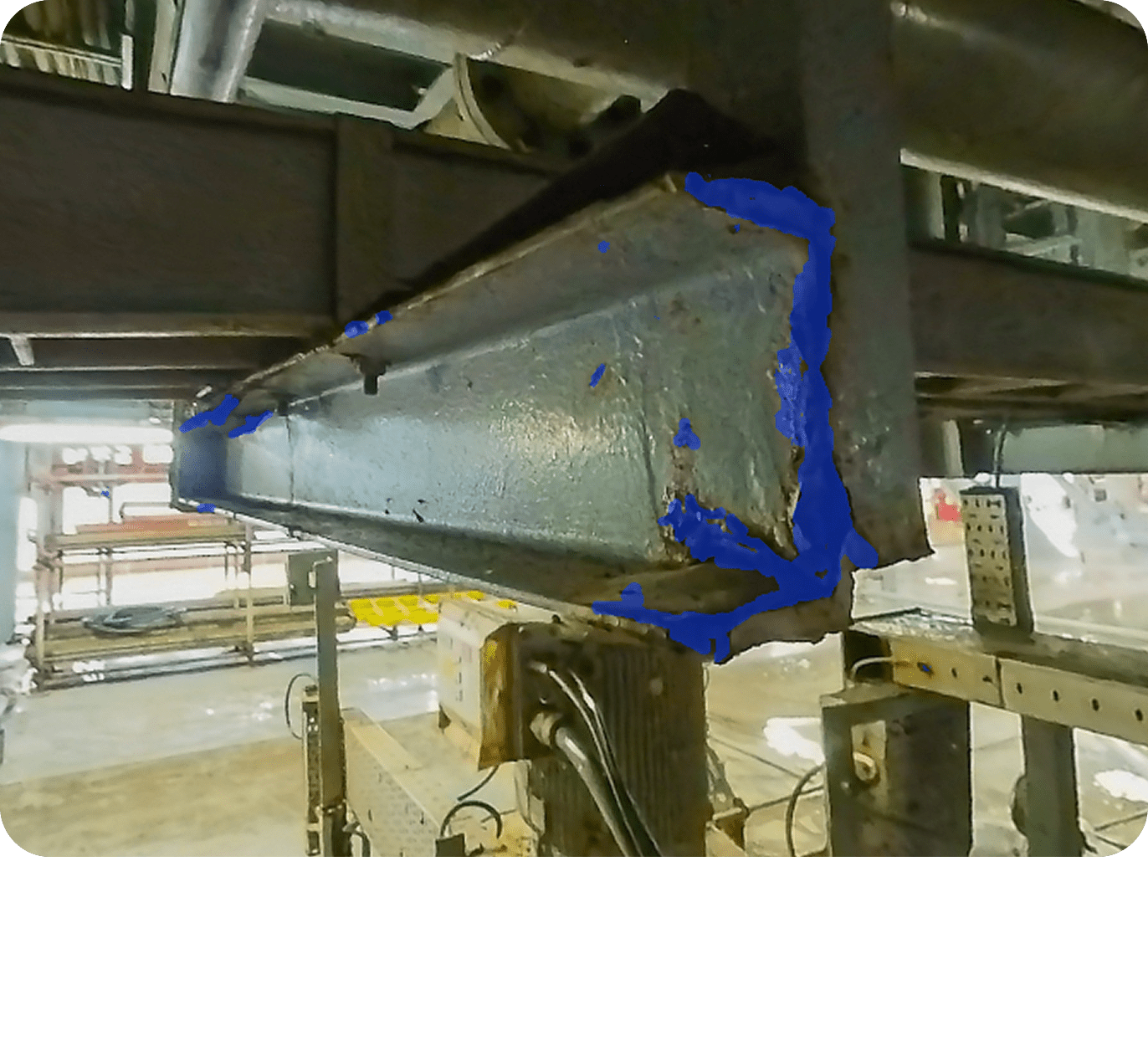
The DROPS Risk Management Application integrates machine vision models trained on industrial inspection datasets to detect corrosion indicators, degradation patterns, and potential structural vulnerabilities.

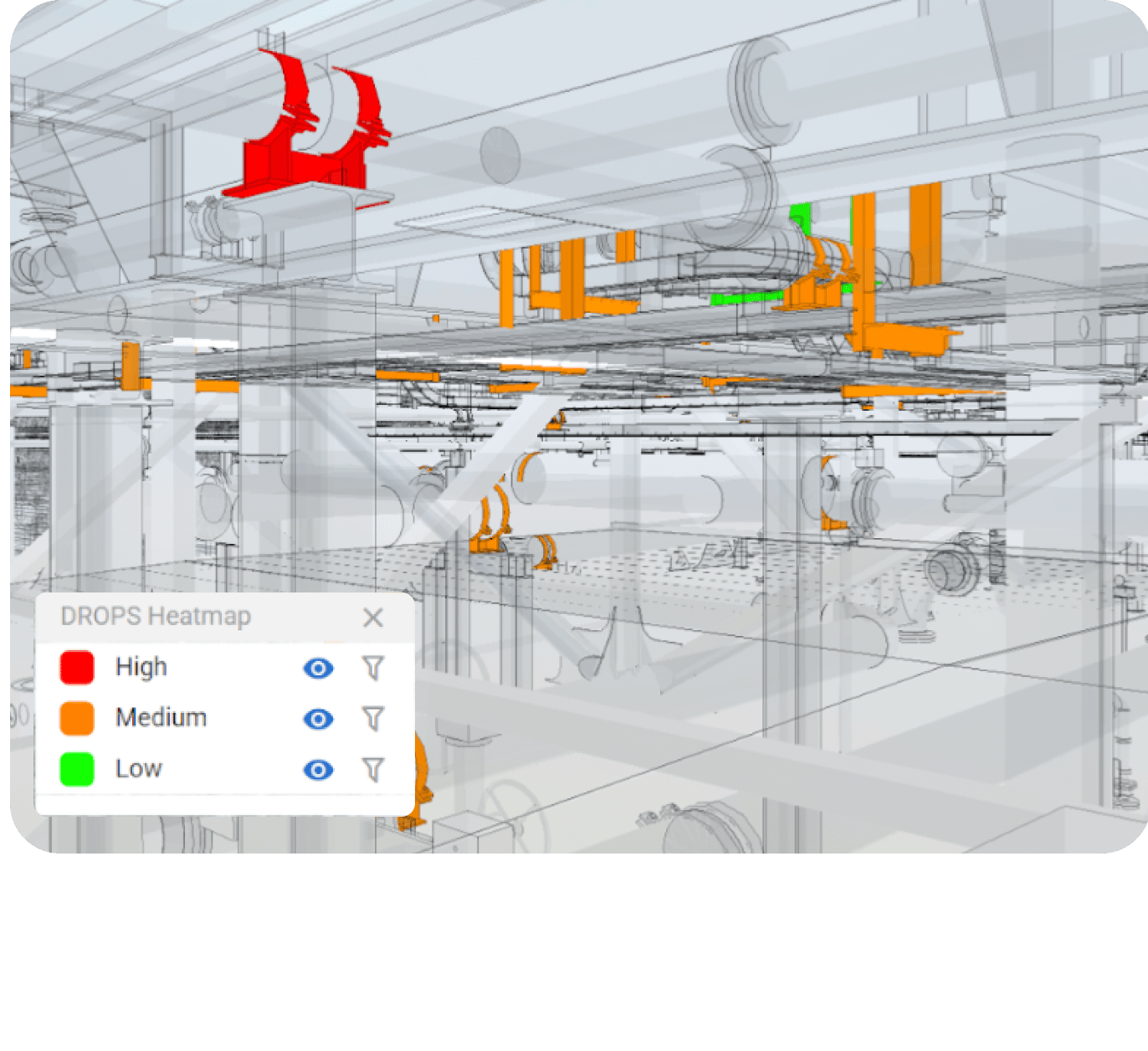
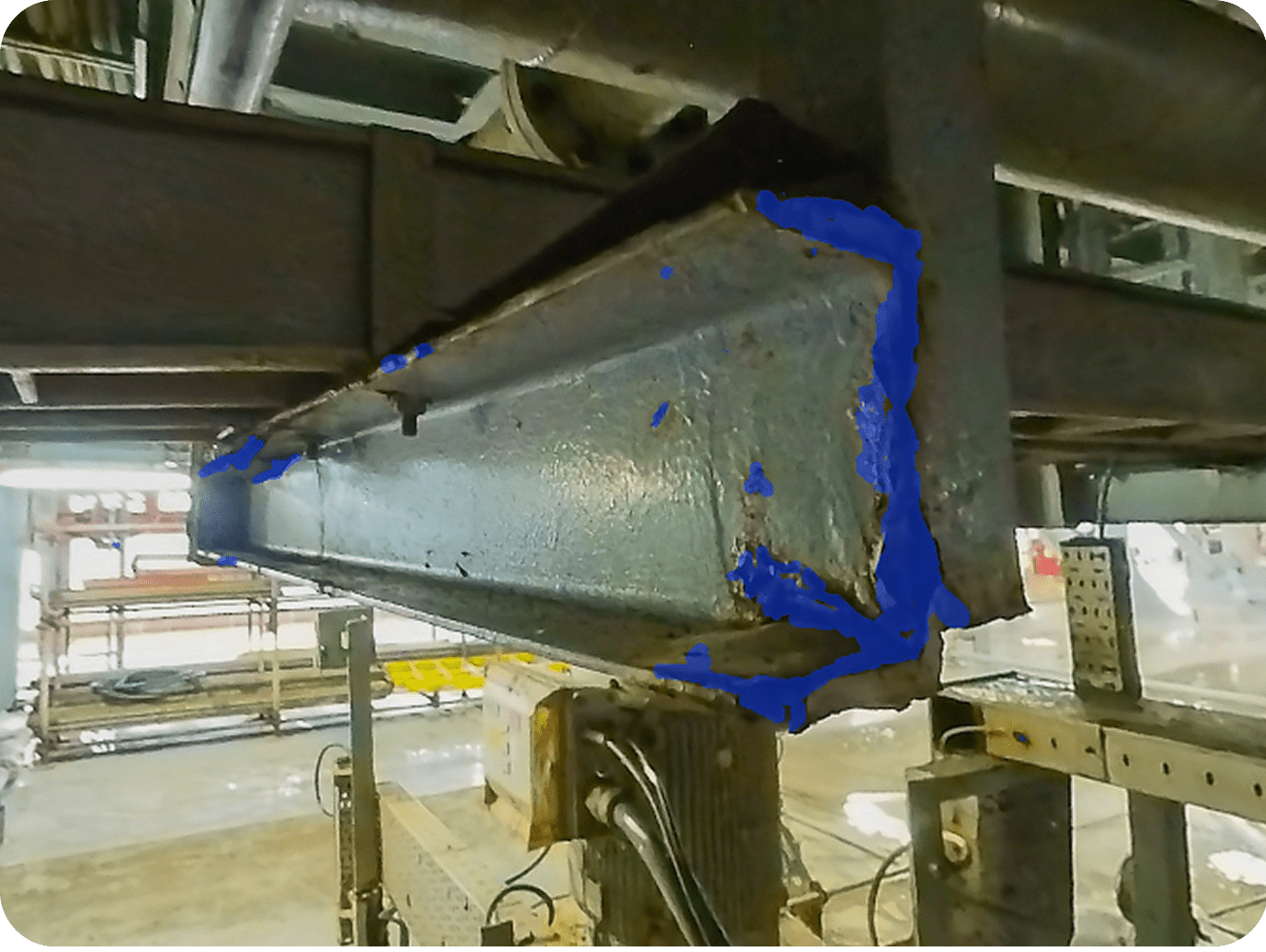
The AI system analyzes inspection imagery and produces a preliminary inventory of elements with DROPS potential, highlighting components that may present detachment risks due to corrosion, deformation, or fastening failures.

This capability enables teams to screen thousands of components rapidly and focus engineering attention where it matters most, reducing the overall time onboard.
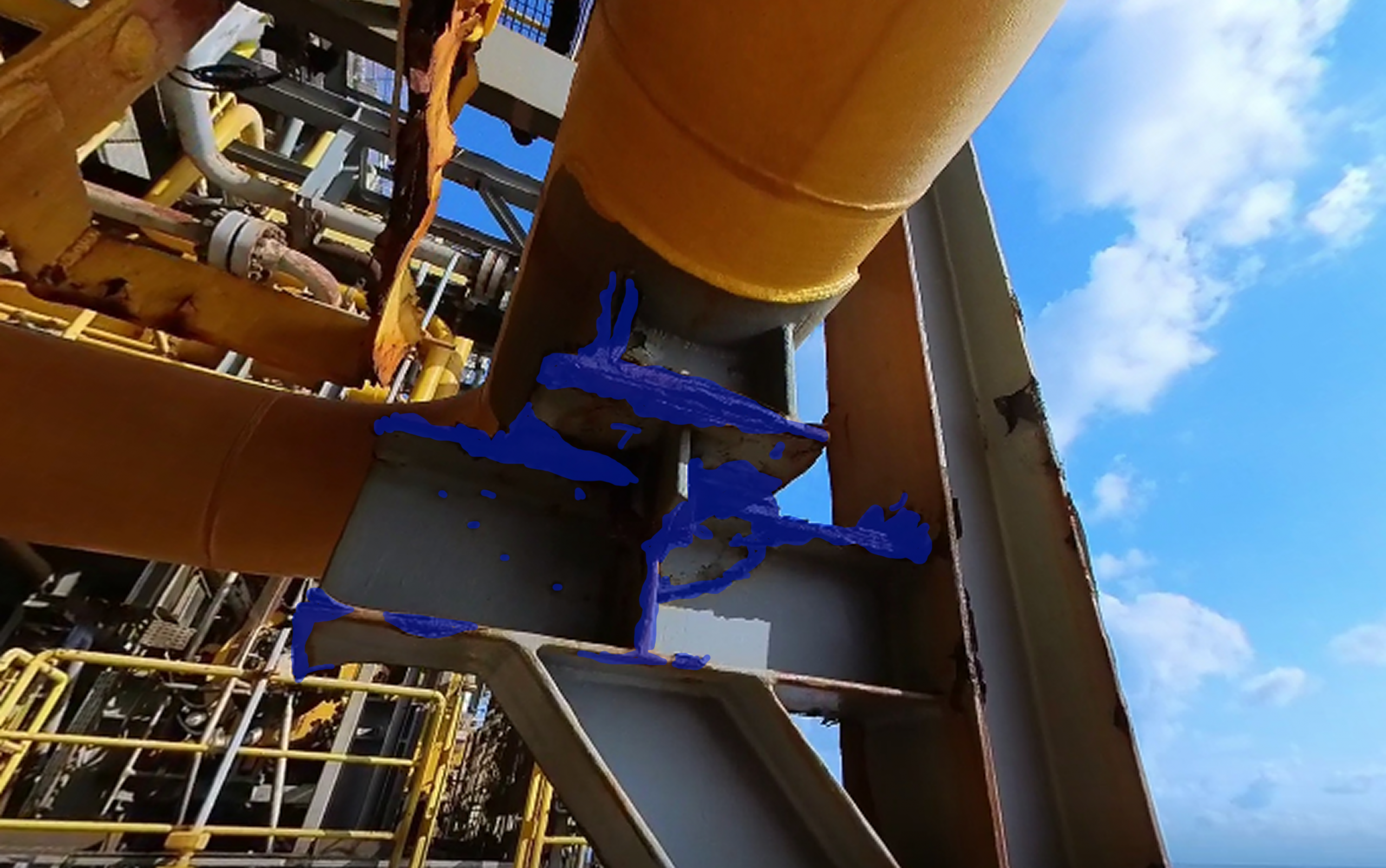
Corrosion maks in the VSP indicating a DROPS potential object

AI-Assisted Identification of DROPS Elements

Inspection campaigns generate vast volumes of imagery and field observations that are often difficult to process efficiently.

The DROPS Risk Management Application integrates machine vision models trained on industrial inspection datasets to detect corrosion indicators, degradation patterns, and potential structural vulnerabilities.

The AI system analyzes inspection imagery and produces a preliminary inventory of elements with DROPS potential, highlighting components that may present detachment risks due to corrosion, deformation, or fastening failures.

This capability enables teams to screen thousands of components rapidly and focus engineering attention where it matters most, reducing the overall time onboard.

Risk Exposure Prioritization Framework
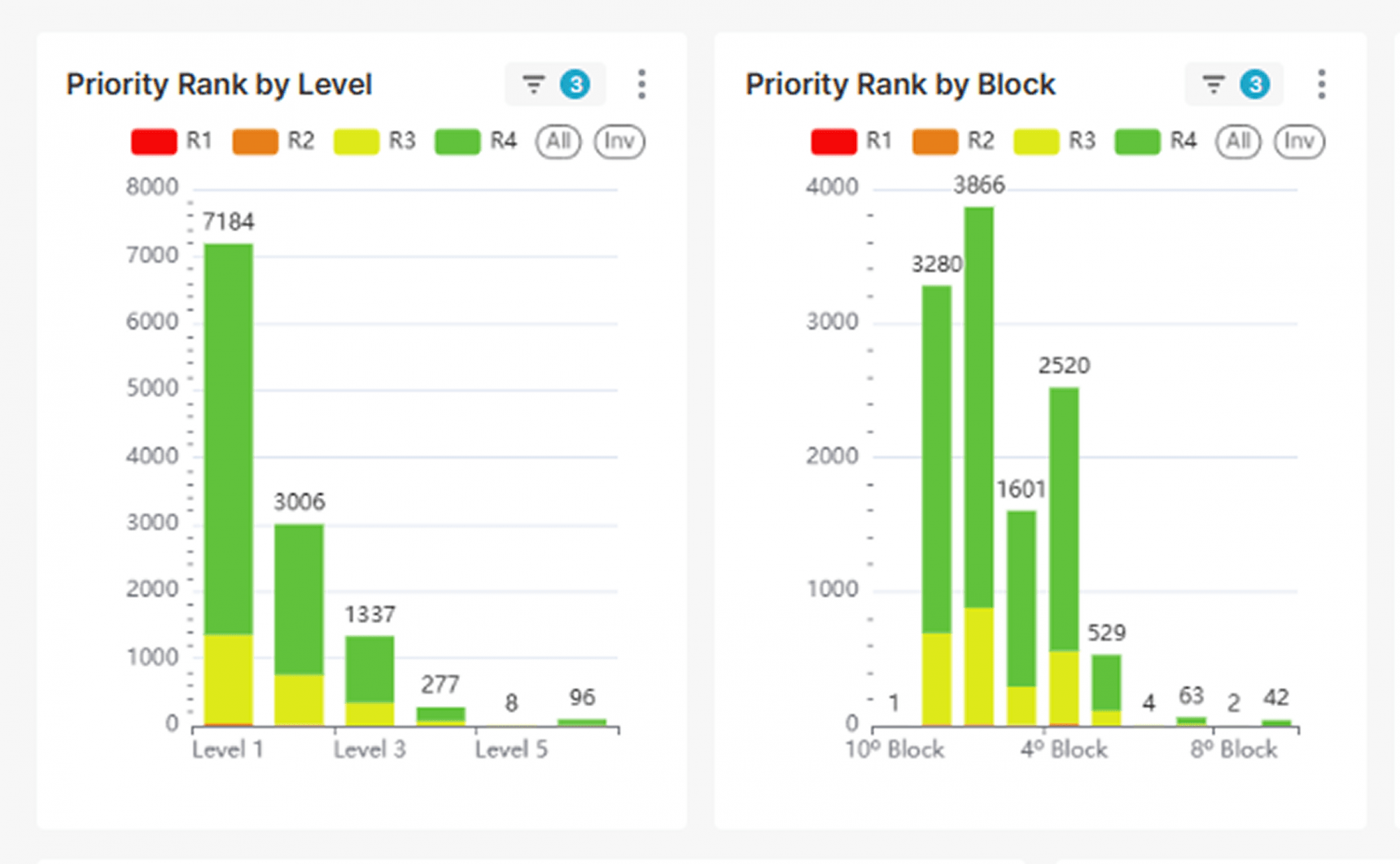
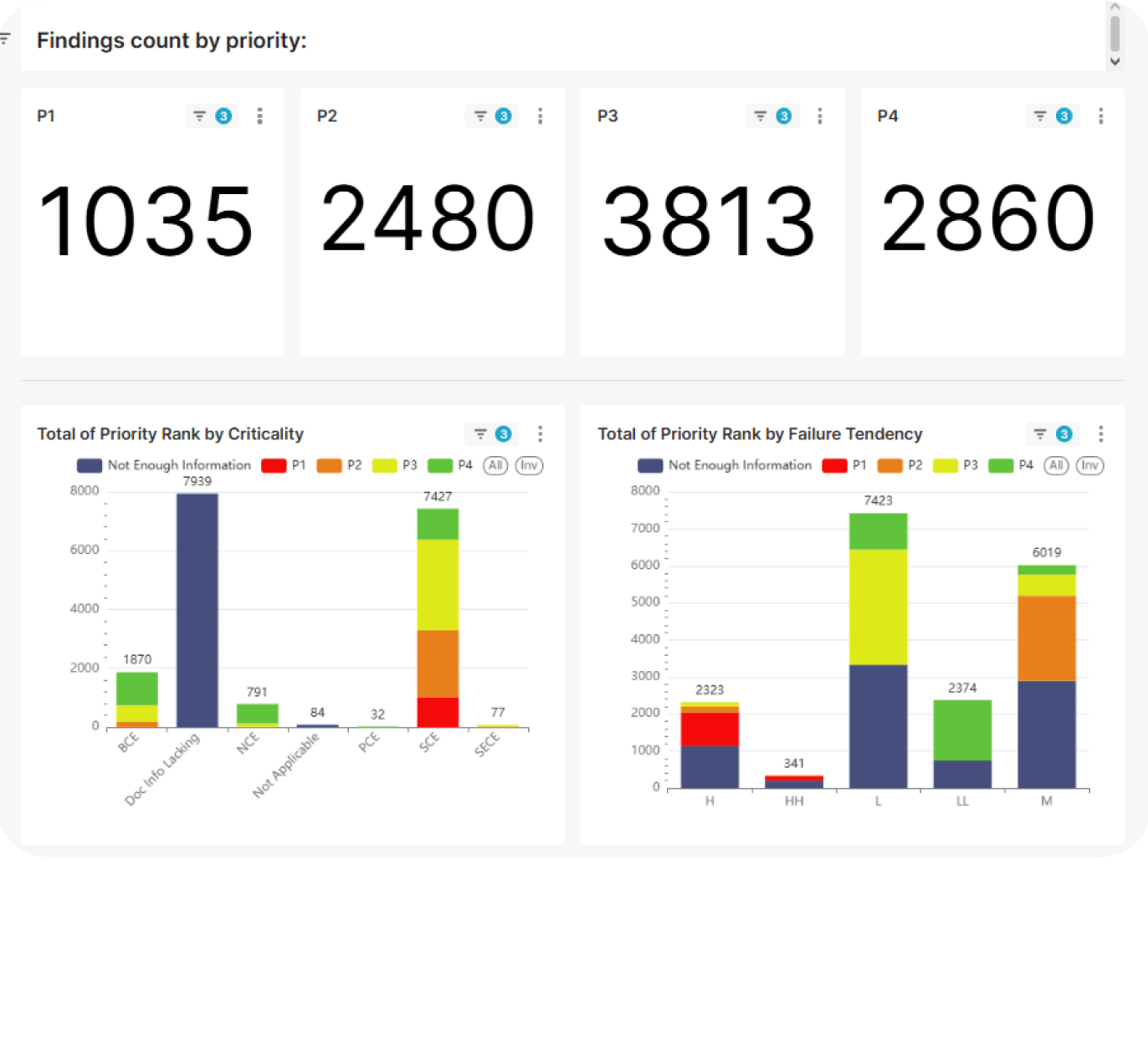
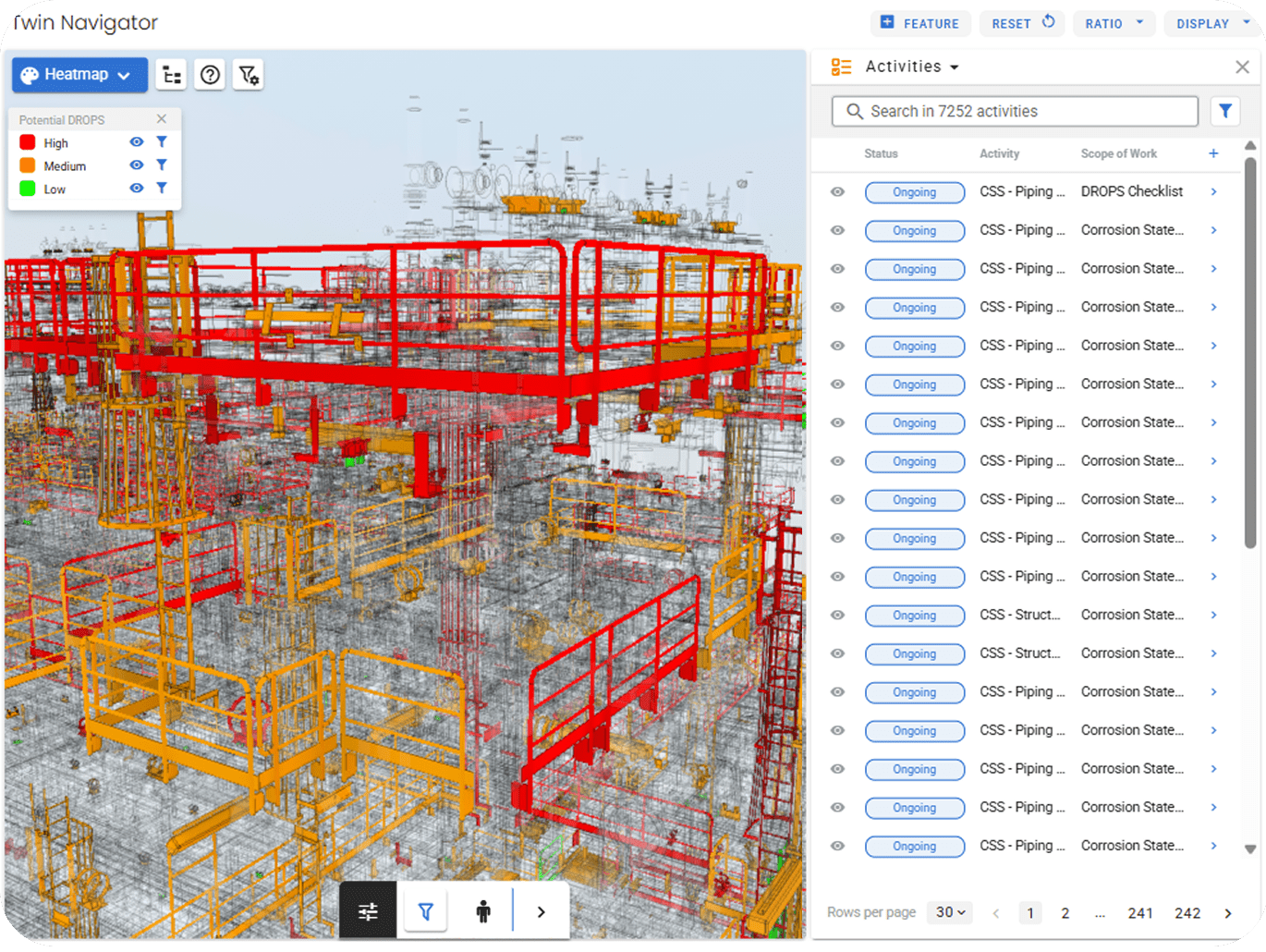
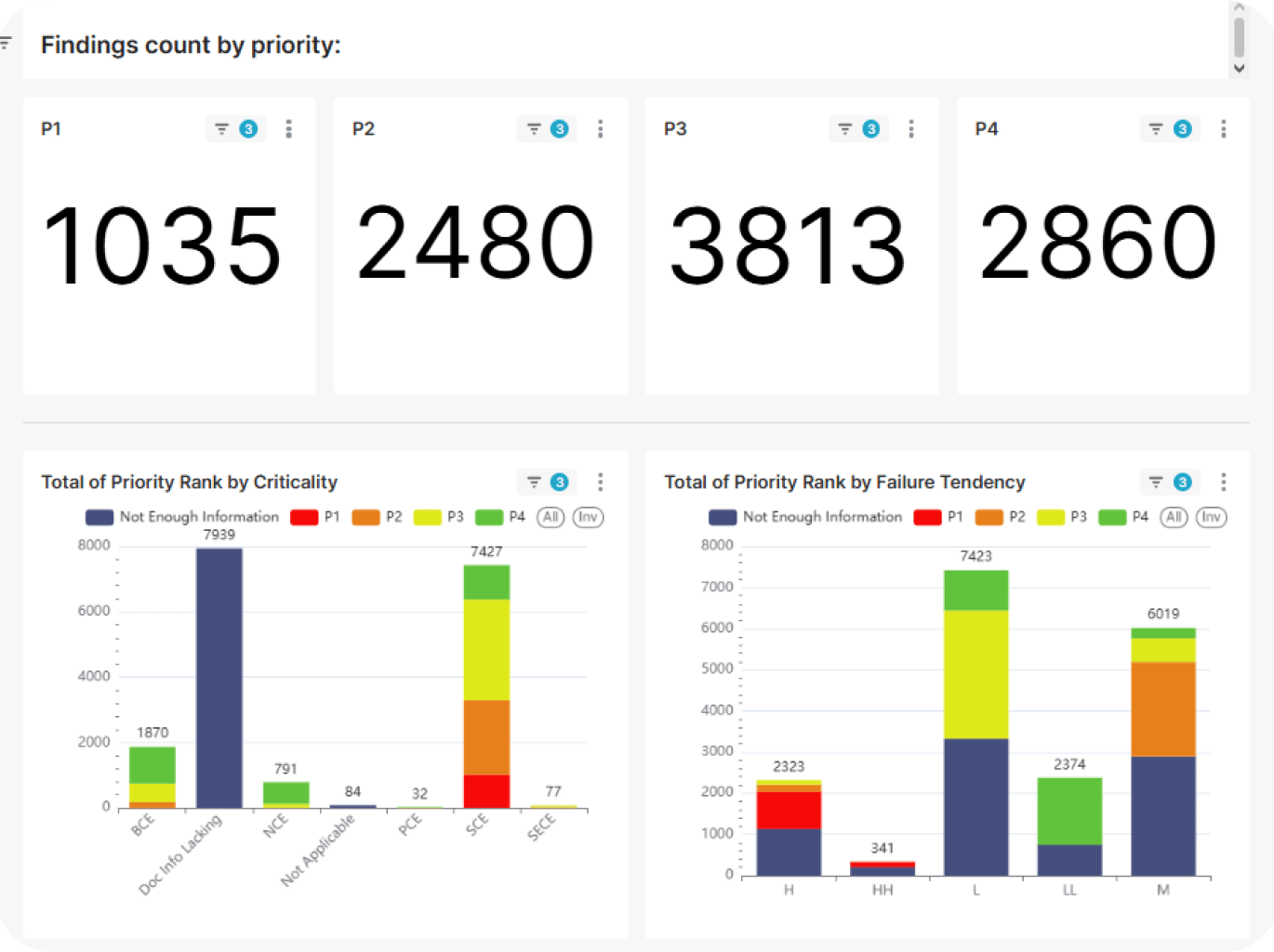
VSP Dashboards indicating risk level and priority

To support decision-making, the platform applies a structured risk prioritization model based on the client’s internal programs or requirements.

The potential severity of a dropped object impact is estimated using parameters such as:
  • Object Mass
  • Installation Height

  • Potential Impact Energy

  • Likelihood of failure

Based on these variables, the system categorizes consequences into classes ranging from slight incidents to fatality scenarios, enabling consistent evaluation across different areas of the facility.

Risk Exposure Priorization Framework

To support decision-making, the platform applies a structured risk prioritization model based on the client’s internal programs or requirements.

The potential severity of a dropped object impact is estimated using parameters such as:
  • Object Mass
  • Installation Height

  • Potential Impact Energy

  • Likelihood of failure

Based on these variables, the system categorizes consequences into classes ranging from slight incidents to fatality scenarios, enabling consistent evaluation across different areas of the facility.

From Detection to Actionable Mitigation:
Streamlined Field Execution

Stop managing spreadsheets and start managing risks. Vidya transforms raw inspection data into high-precision maintenance campaigns, eliminating the gap between identifying a hazard and closing the loop.

Field Workpacks

Instantly generate engineering-grade workpacks featuring 3D spatial locations, retention system verifications, and photographic evidence to guide field teams with zero ambiguity.

Spatial Maintenance Optimization

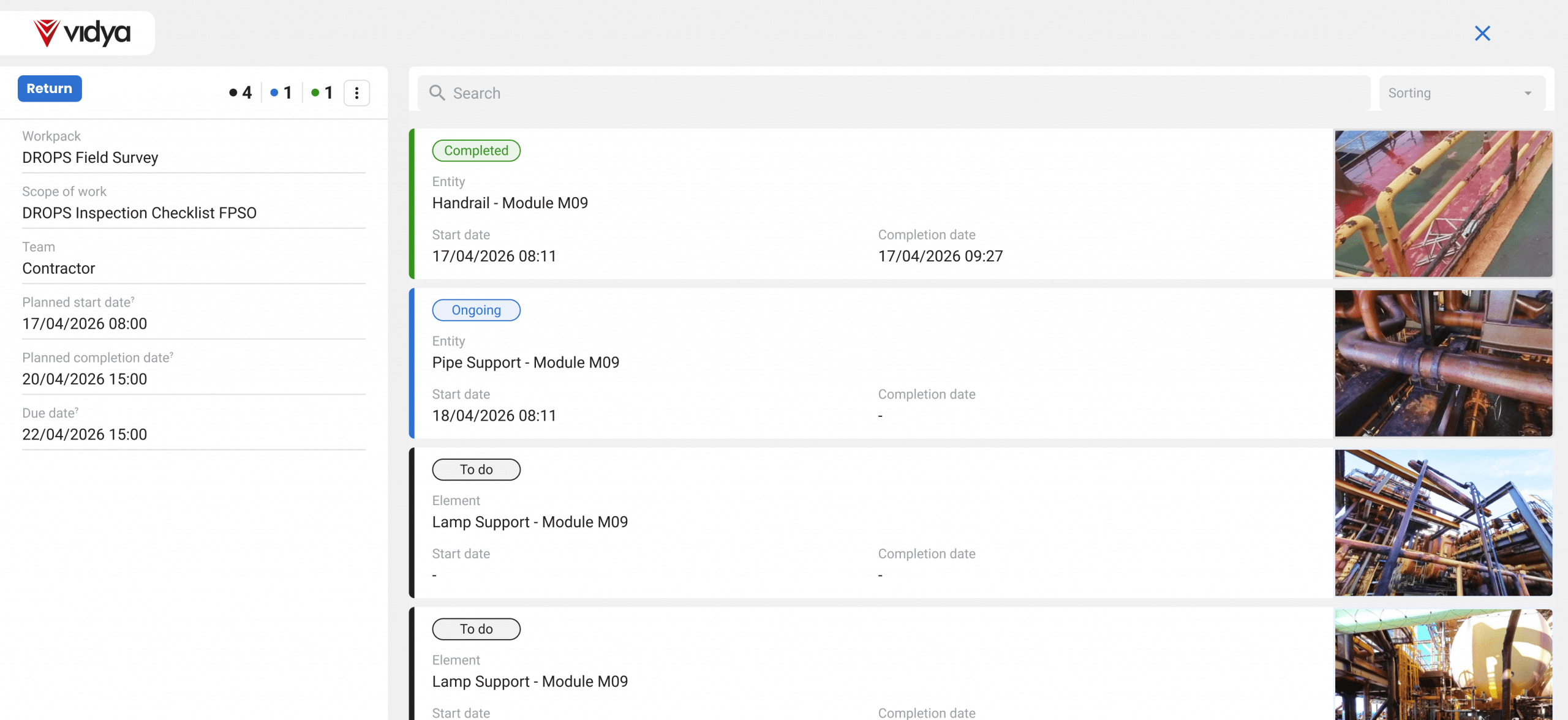
Group mitigation tasks by deck level, equipment type, or risk severity. This data-driven routing minimizes “travel time” for rope access and maintenance crews, significantly reducing offshore man-hour exposure.

Real-Time Corrective Actions

Field inspectors use the mobile interface to register immediate mitigations and update risk statuses on the Digital Twin, providing the office with a live, auditable record of risk reduction

Precision Resource Allocation

By correlating object mass and height with structural condition, the platform ensures your highest-consequence DROPS are prioritized and resolved first, optimizing your maintenance OPEX

From Detection to Actionable Mitigation:
Streamlined Field Execution

Stop managing spreadsheets and start managing risks. Vidya transforms raw inspection data into high-precision maintenance campaigns, eliminating the gap between identifying a hazard and closing the loop.

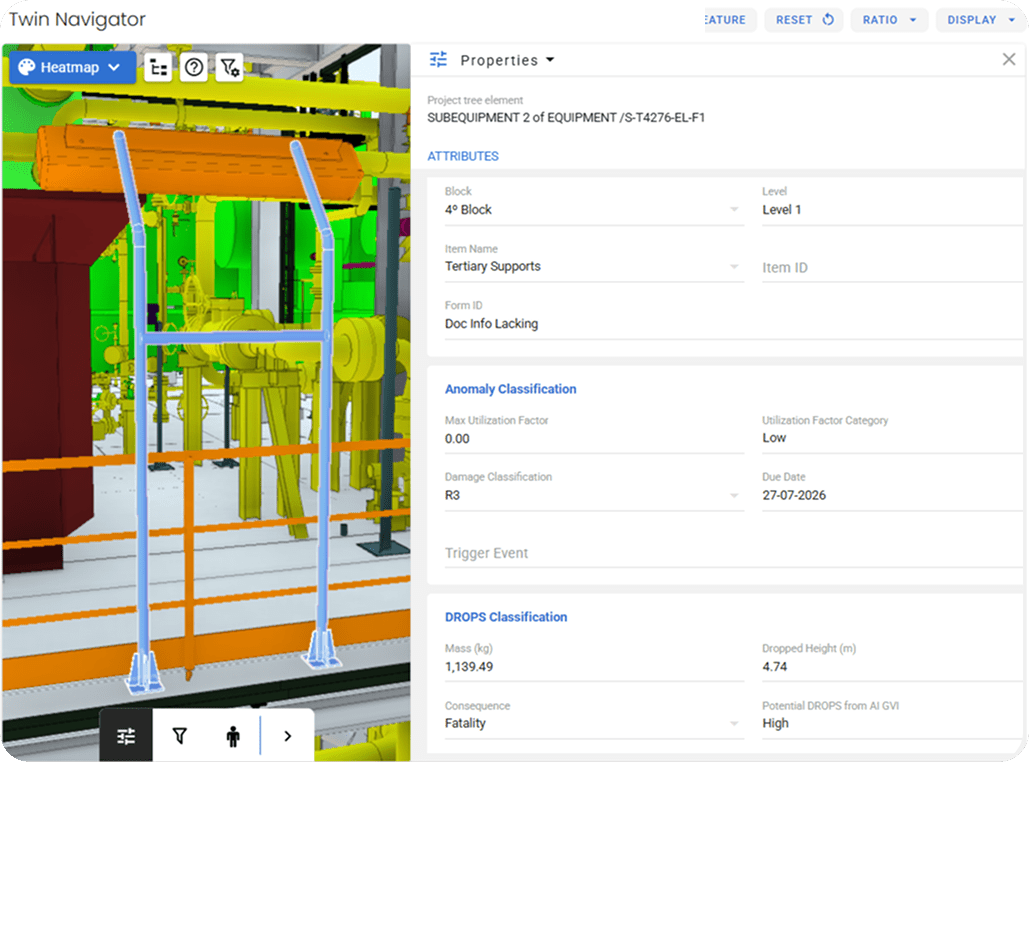
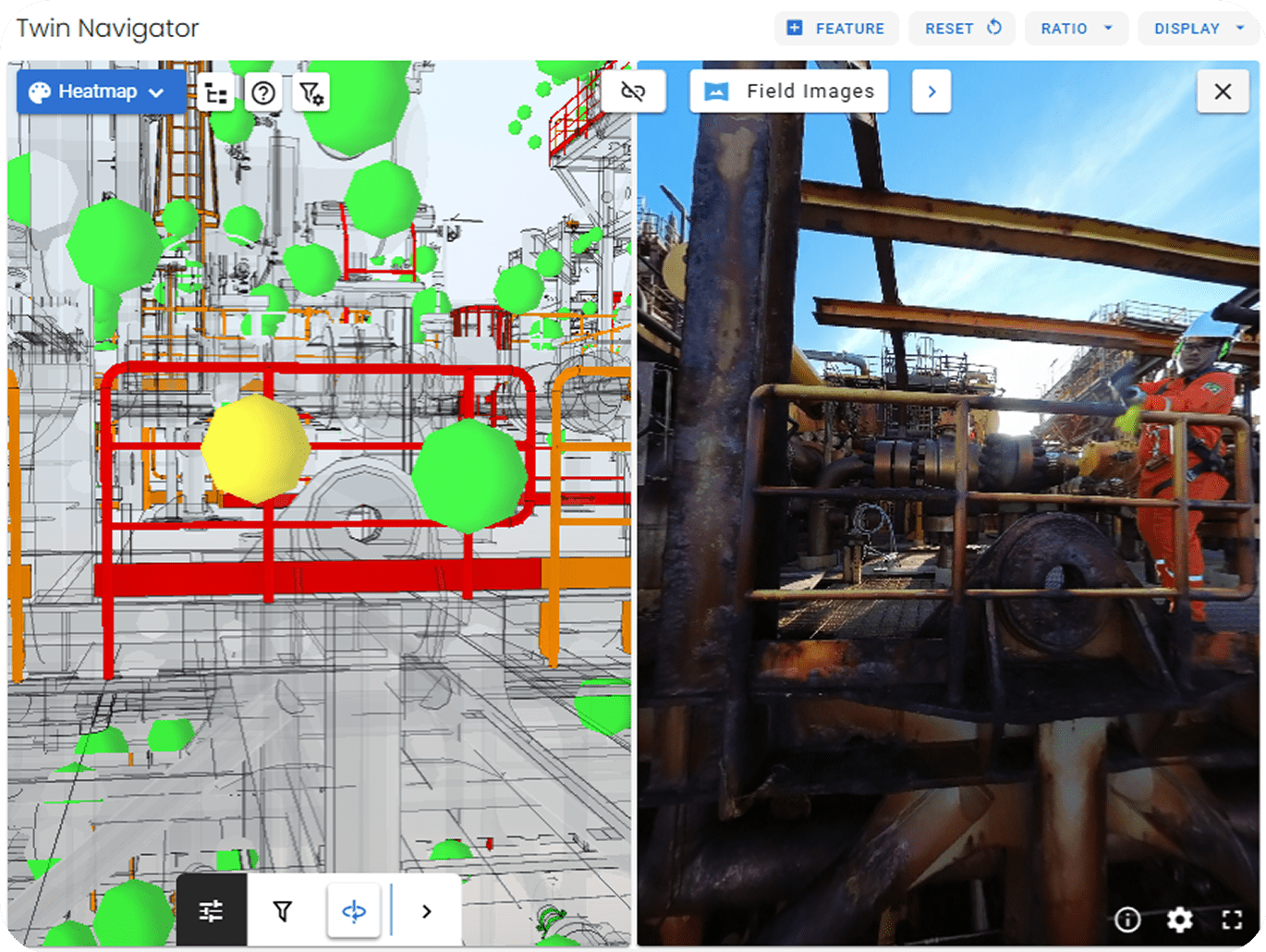
Vidya's System Platform 3D model comparison to reality

Field Workpacks

Instantly generate engineering-grade workpacks featuring 3D spatial locations, retention system verifications, and photographic evidence to guide field teams with zero ambiguity.

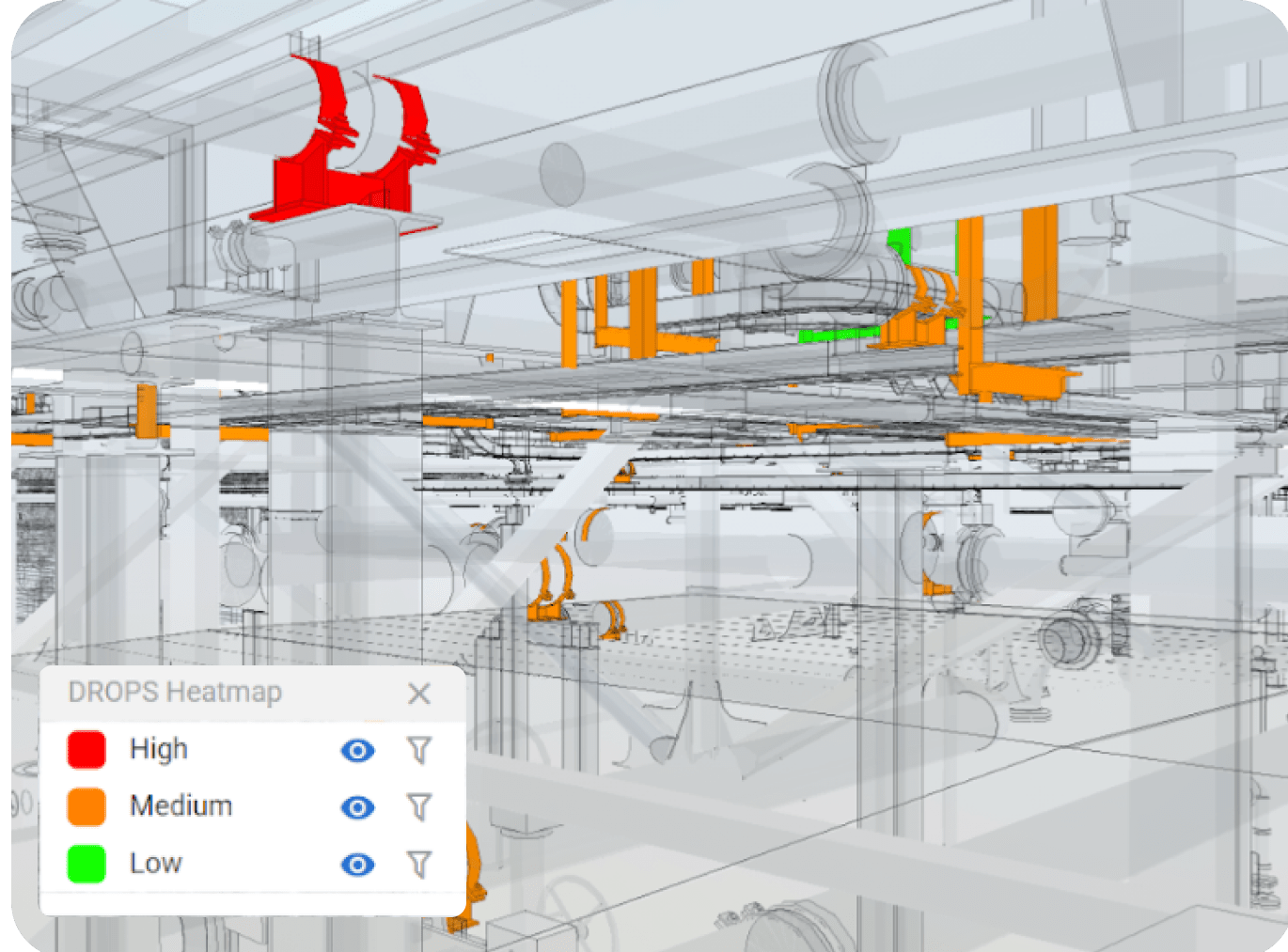
Vidya's System Platform heatmap

Spatial Maintenance Optimization

Group mitigation tasks by deck level, equipment type, or risk severity. This data-driven routing minimizes “travel time” for rope access and maintenance crews, significantly reducing offshore man-hour exposure.

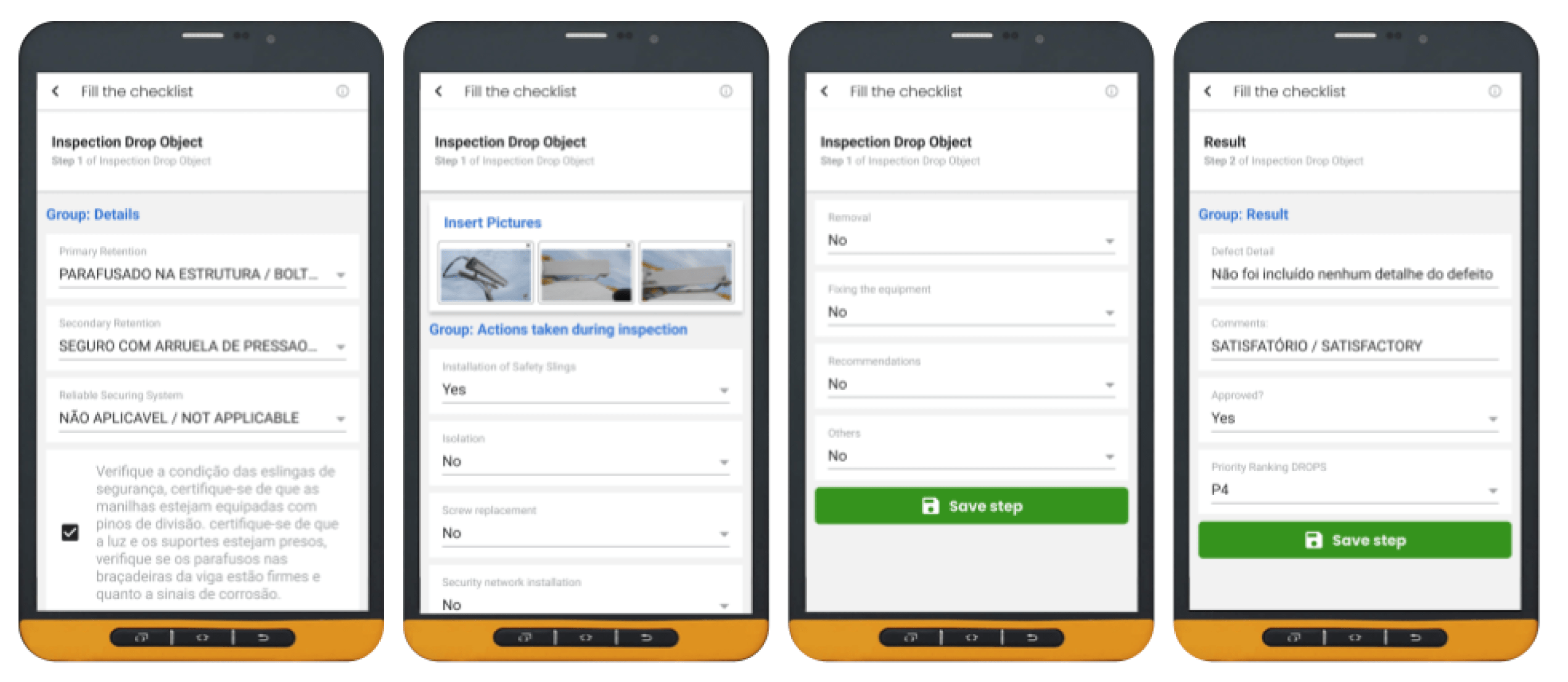
Vidya's System platform mobile application

Real-Time Corrective Actions

Field inspectors use the mobile interface to register immediate mitigations and update risk statuses on the Digital Twin, providing the office with a live, auditable record of risk reduction

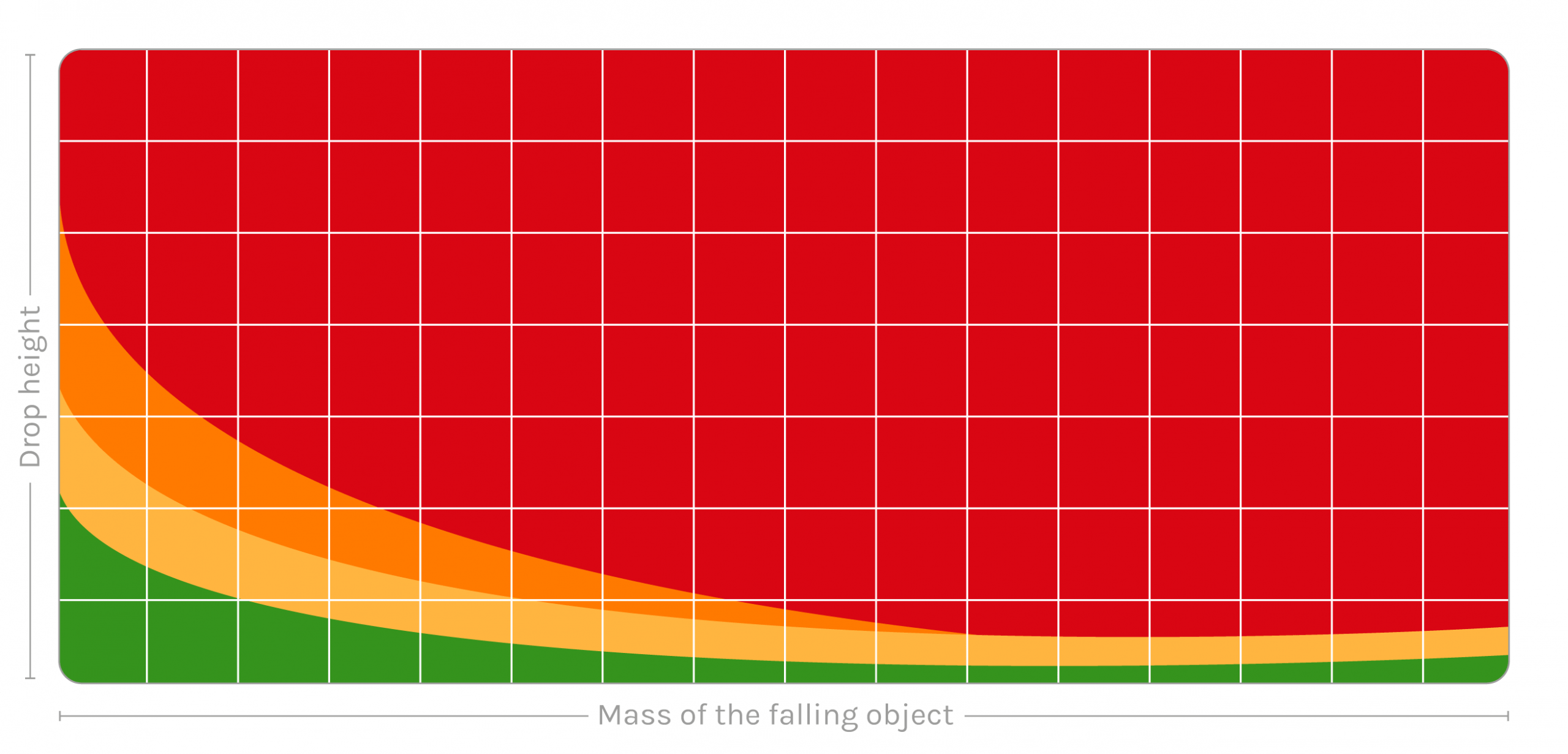
Representation of DROPS Risk matrix

Precision Resource Allocation

By correlating object mass and height with structural condition, the platform ensures your highest-consequence DROPS are prioritized and resolved first, optimizing your maintenance OPEX

Why you should Manage DROPS with Vidya

  • Stop Incidents Before They Start: Combine AI inspection intelligence with structural analysis to detect detached or degraded components before they fall.

  • Corrosion-Linked Safety Analysis: Go beyond visual checks. Understand exactly how material loss increases detachment risk and structural vulnerability.

  • Data-Driven Prioritization: Stop chasing low-risk anomalies. Use a structured framework to focus resources on the highest-consequence threats first.

  • Optimized Field Execution: Streamline mitigation with digital workpacks and optimized maintenance routes that guide teams through the most efficient repair path.

  • 3D Spatial Awareness: Visualize every hazard within a high-fidelity digital twin for instant situational clarity and DROPS tagging.

  • Digital Workpacks: Generate precise guides for field teams including 3D locations and retention system verification requirements

  • Adaptive Risk Management: Keep your risk profile alive. Automatically update assessments as new data arrives to manage aging assets in real-time.

  • Optimized Routing: Reduce “travel time” by grouping mitigation tasks by deck level or equipment type, ensuring high-risk items are addressed first.

Why you should Manage DROPS with Vidya

  • Stop Incidents Before They Start: Combine AI inspection intelligence with structural analysis to detect detached or degraded components before they fall.

  • Corrosion-Linked Safety Analysis: Go beyond visual checks. Understand exactly how material loss increases detachment risk and structural vulnerability.

  • Data-Driven Prioritization: Stop chasing low-risk anomalies. Use a structured framework to focus resources on the highest-consequence threats first.

  • Optimized Field Execution: Streamline mitigation with digital workpacks and optimized maintenance routes that guide teams through the most efficient repair path.

  • 3D Spatial Awareness: Visualize every hazard within a high-fidelity digital twin for instant situational clarity and DROPS tagging.

  • Digital Workpacks: Generate precise guides for field teams including 3D locations and retention system verification requirements

  • Adaptive Risk Management: Keep your risk profile alive. Automatically update assessments as new data arrives to manage aging assets in real-time.

  • Optimized Routing: Reduce “travel time” by grouping mitigation tasks by deck level or equipment type, ensuring high-risk items are addressed first.

Schedule a Demo & Experience the benefits. Contact us to learn how this solution fits your operation.

Beyond a digital solution, we help you to operate with ease. By scheduling a meeting, we will:
  • Understand your challenges: We’ll listen closely to your top concerns around DROPS and the current methods you’re using

  • Showcase our DROPS application: See how AI identifies loose components and corrosion-weakened brackets within a 3D environment.

  • Optimize Your Maintenance Routes: We’ll demonstrate how to turn a 500-item hazard list into a streamlined, high-efficiency repair campaign.

  • Quantify the impact: Review real-world case studies where offshore operators reduced manual inspection hours while increasing safety coverage.

  • Craft a tailored plan: We’ll work together to identify how our solution can specifically improve your DROPS management and monitoring processes.

  • Propose a pilot: Let’s target a specific area of your operation to address DROPS challenges. Experience the results and scale up for total transformation.

Go to Top