Vidya News
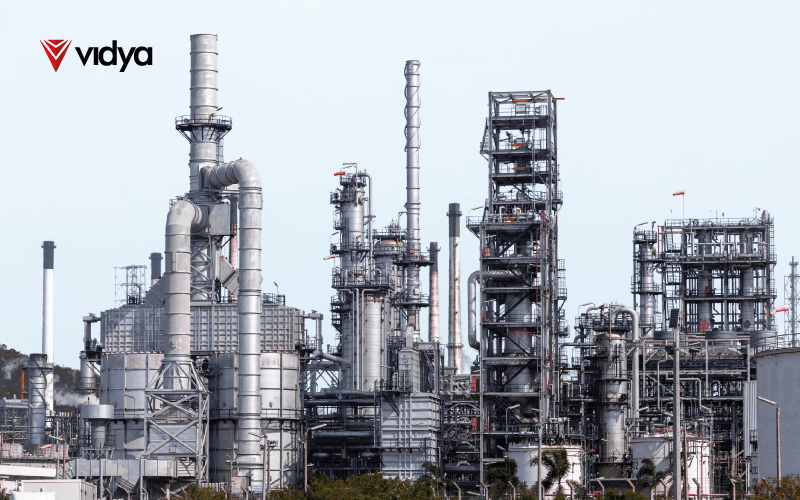
The 3 Stages of Asset Integrity Management in Energy
Asset Integrity Management (AIM) is a fundamental domain for large-process industries. It refers to the discipline that aims to maximize a production plant’s efficiency and reliability, involving multiple methodologies, systems, and various professionals and activities. This blog dives into how industry leaders approach AIM, encompassing a step-by-step structure to implement [...]
Latest Content

Revolutionizing Industries through Data-Driven Problem Solving: The Role of Artificial Intelligence
Introduction: Artificial intelligence (AI) stands at the forefront of the digital transformation sweeping across industries, offering a powerful tool for optimizing operations through data analysis, pattern recognition, and anomaly identification. [...]

Why should you attend Future Oil and Gas 2021?
The Future Oil and Gas event will take place between November 16-17, 2021. This virtual conference will explore how digitalization, disruption, and innovation are shaping the upstream oil and gas [...]
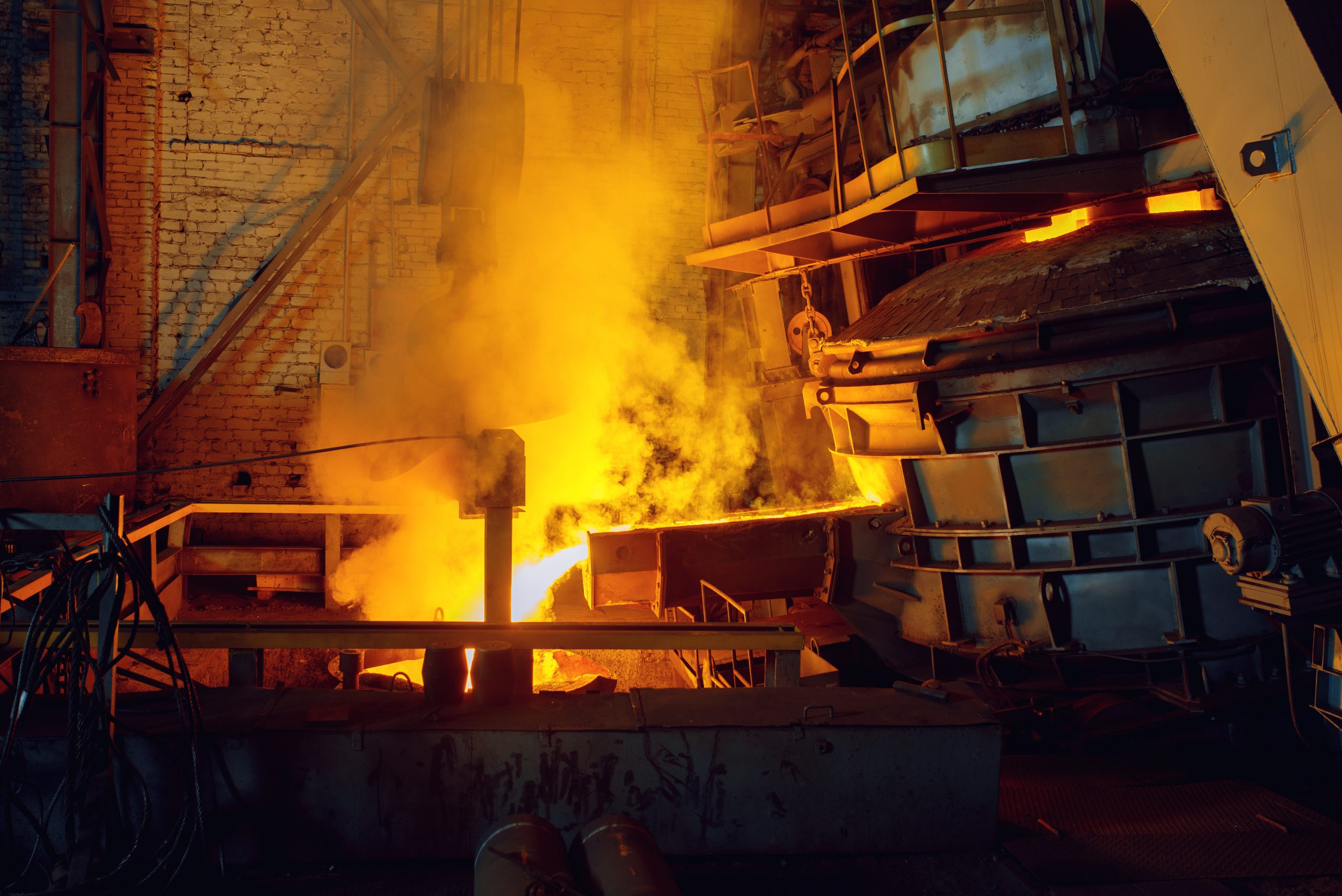
How Steel Industries benefits from Digital Transformation
The steel industries have a fundamental role not only in our society but also in the industrial sector itself. These industries are responsible for producing the most used material in [...]

The relation between Artificial Intelligence and Digital Transformation
Artificial intelligence is one of the most important modern technologies and it is through its development that many tasks gain new possibilities for automation and execution. The concept was [...]

How data contextualization has been assisting asset management
Asset management brings together some good practices that should be used by organizations in order to optimize their processes and control in order to achieve a desirable result and performance, [...]

Contextualization of data is an industry need
In the data era, having the control and monitoring of assets in industrial plants becomes essential. Industrial operations and processes are characterized by their high complexity, which is often one [...]
Check Vidya’s exclusive contents for the Industry below: