Vidya News
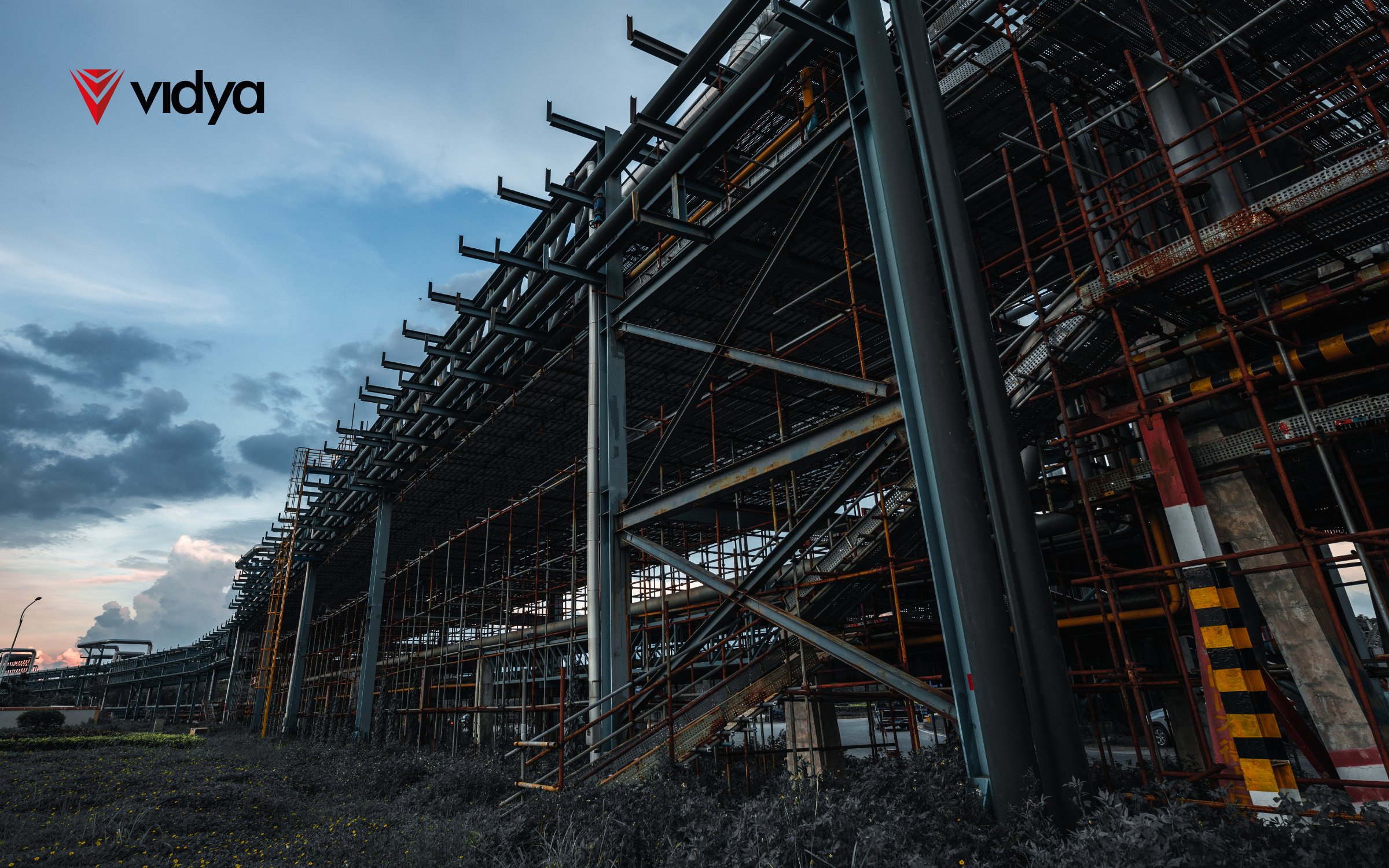
As-Built vs. As-Designed: Detecting Divergences in Complex Environments
Large industrial assets and construction projects continuously evolve throughout their lifecycle. Modifications during construction, maintenance interventions, shutdown activities, retrofits, and operational adaptations gradually change the physical configuration of the facility over time. As these changes accumulate, the gap between the facility’s as-designed, as-built, and as-is conditions progressively increases, causing the [...]
Latest Content
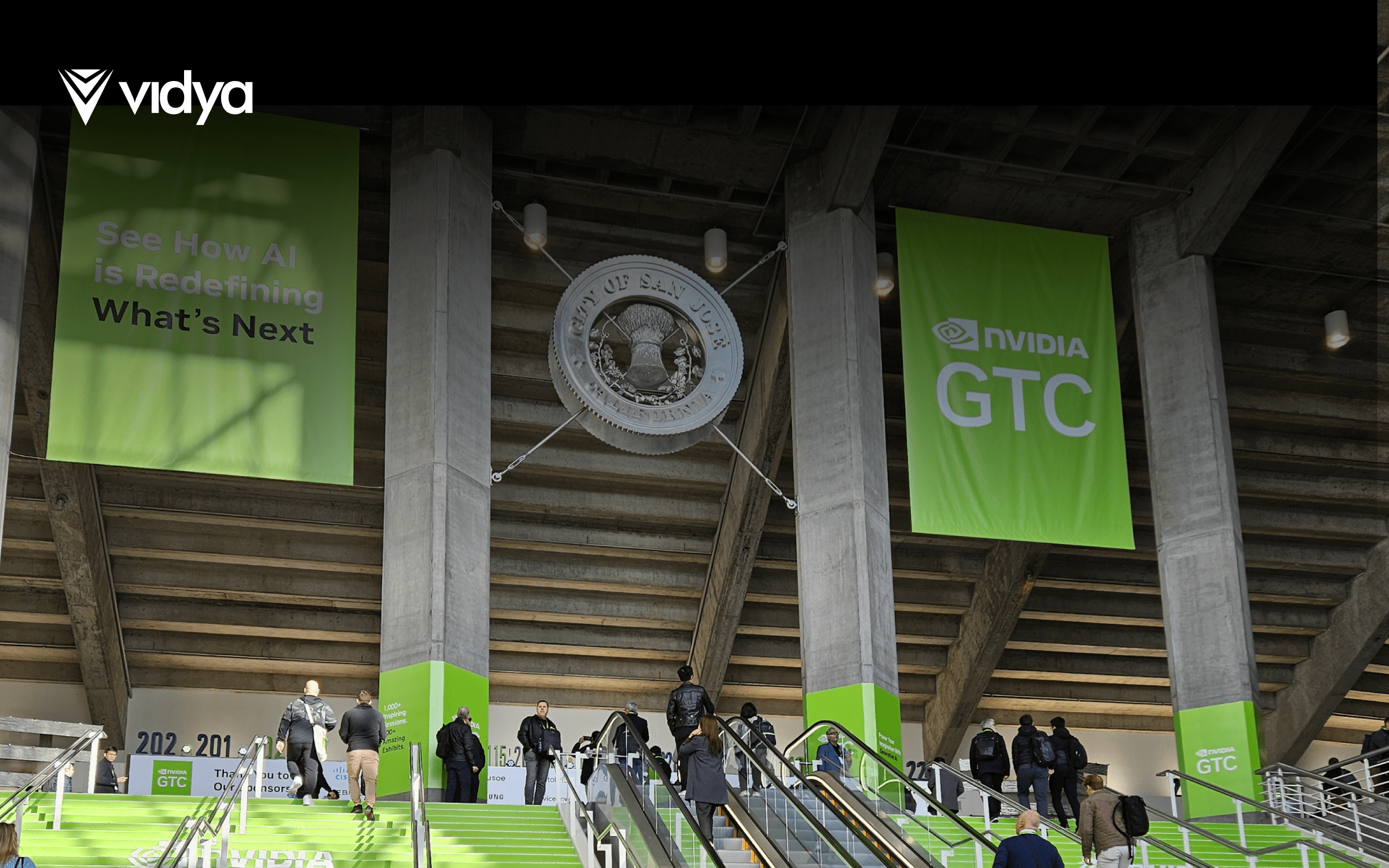
AI, Computing, and What’s Next: What we learned at NVIDIA GTC 2025
Vidya Technology attended NVIDIA GTC 2025, widely known as the Super Bowl of AI, represented by Vinicius Bartolomeu, CPO at Vidya. This year’s event focused on the accelerated evolution [...]
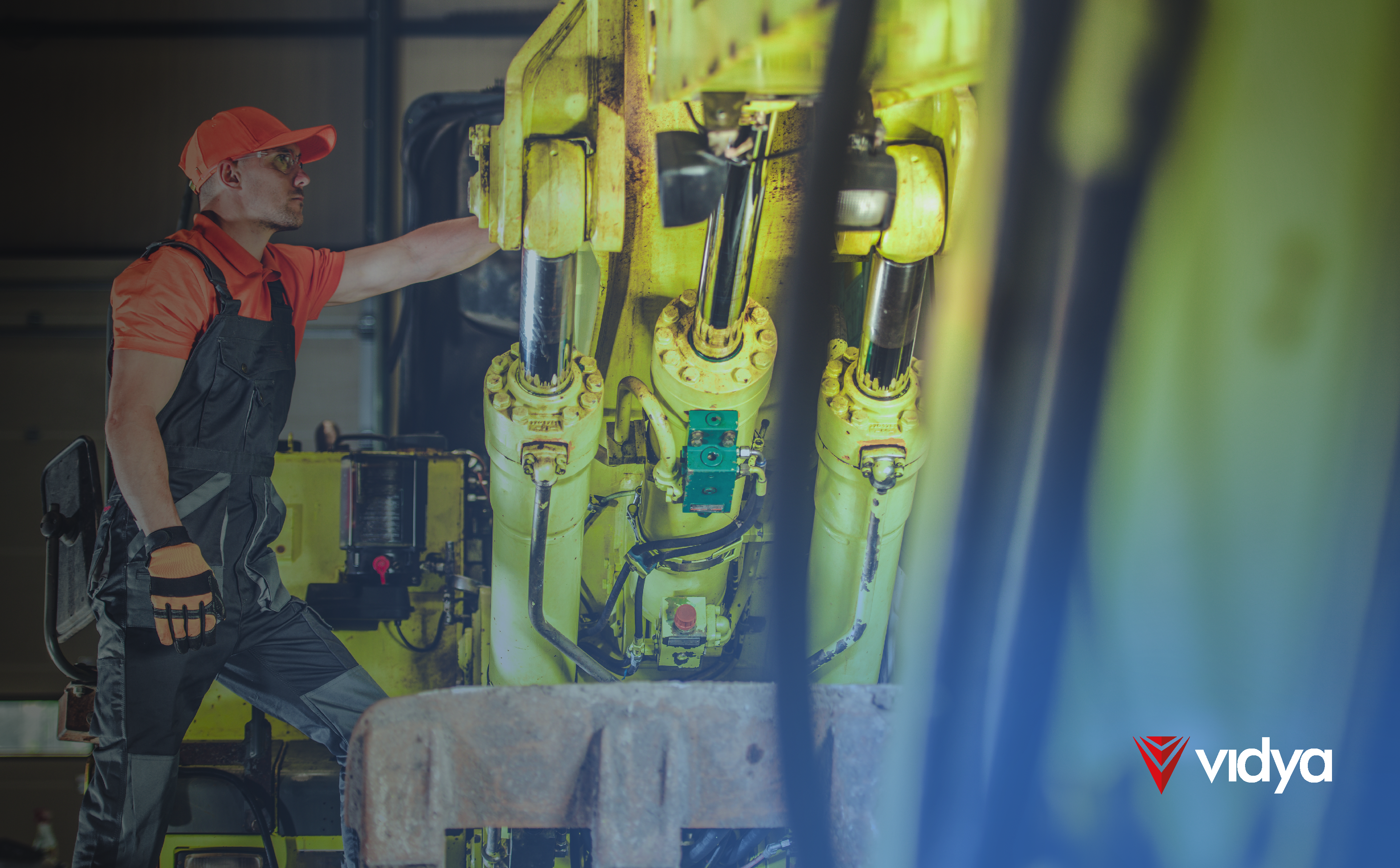
Iron Roughneck: A Critical Component in Oilfield Operations
Efficiency and safety are non-negotiable for oil and gas operations. Advanced machinery takes on the toughest tasks to keep operations running smoothly and reliably—none more crucial than the iron roughneck. [...]
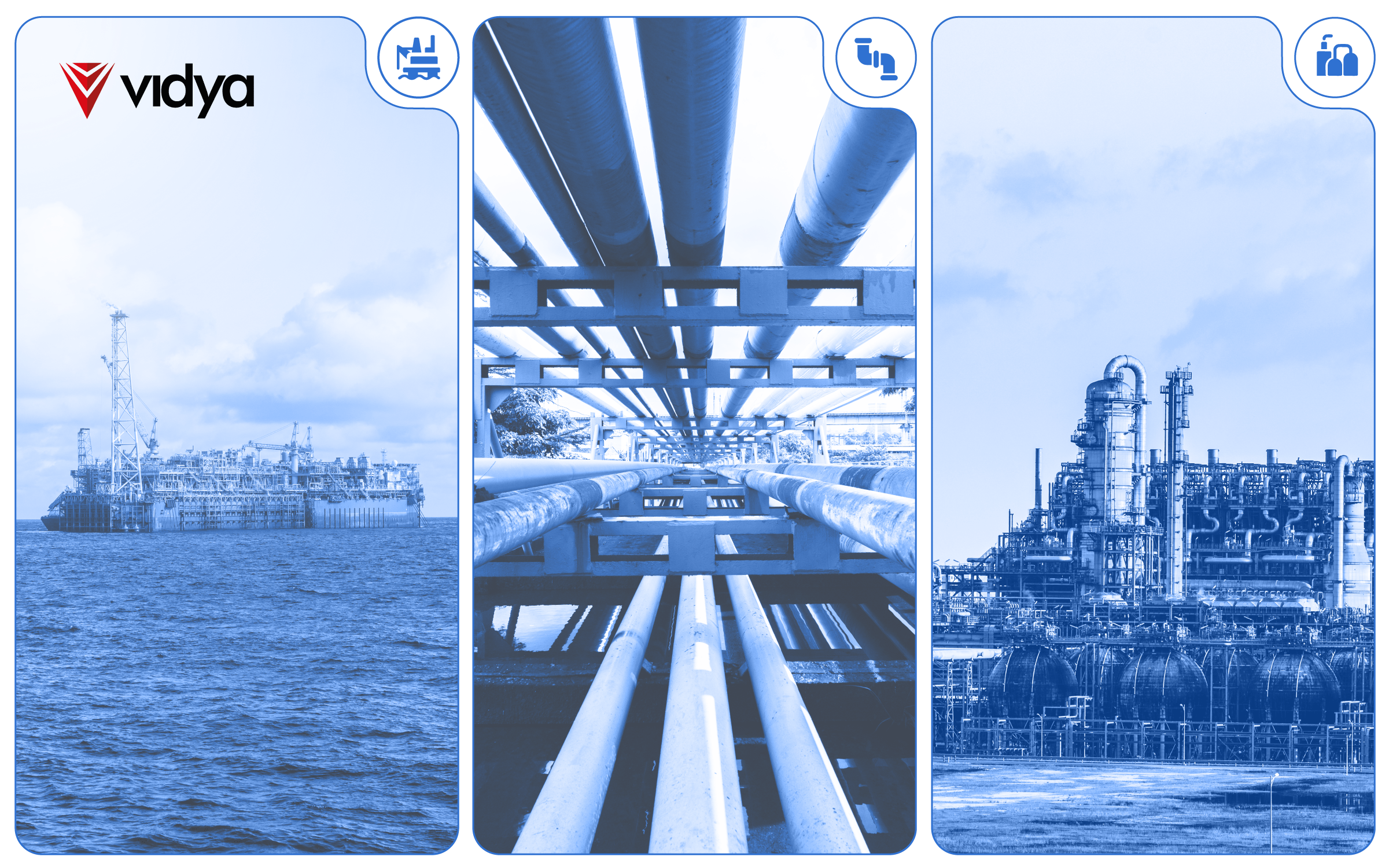
Difference Between Upstream, Midstream and Downstream
The Upstream, Midstream, and Downstream refer to the different stages of the petroleum value chain, each with intricate procedures and separate operational objectives. Despite their differences, these sectors are deeply [...]
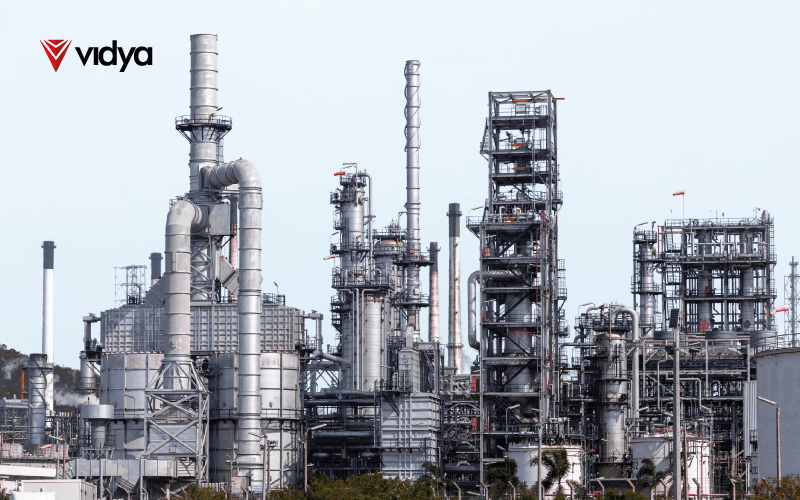
The 3 Stages of Asset Integrity Management in Energy
Asset Integrity Management (AIM) is a fundamental domain for large-process industries. It refers to the discipline that aims to maximize a production plant’s efficiency and reliability, involving multiple methodologies, systems, [...]
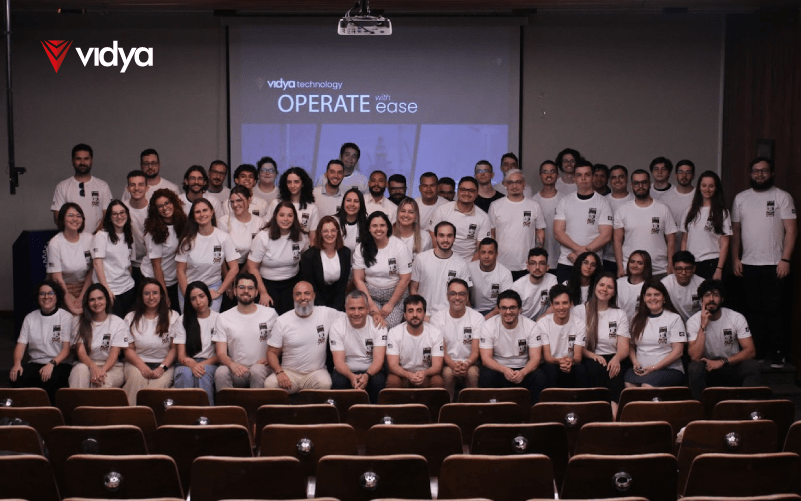
Vidya Technology: Operate with Ease
Despite their magnitude, industrial facilities shouldn’t be complex to manage. Daily, these operations run engineering marvels that are anything but simple, especially while handling many risks, intricate systems and procedures, [...]

Spatial Computing 101: NeRFs vs. Gaussian Splatting
Navigating real-world environments virtually with the same level of precision, detail, and interactivity experienced in person. It may sound futuristic, but this is what Spatial Computing technologies offer—it leverages advanced [...]
Check Vidya’s exclusive contents for the Industry below: